


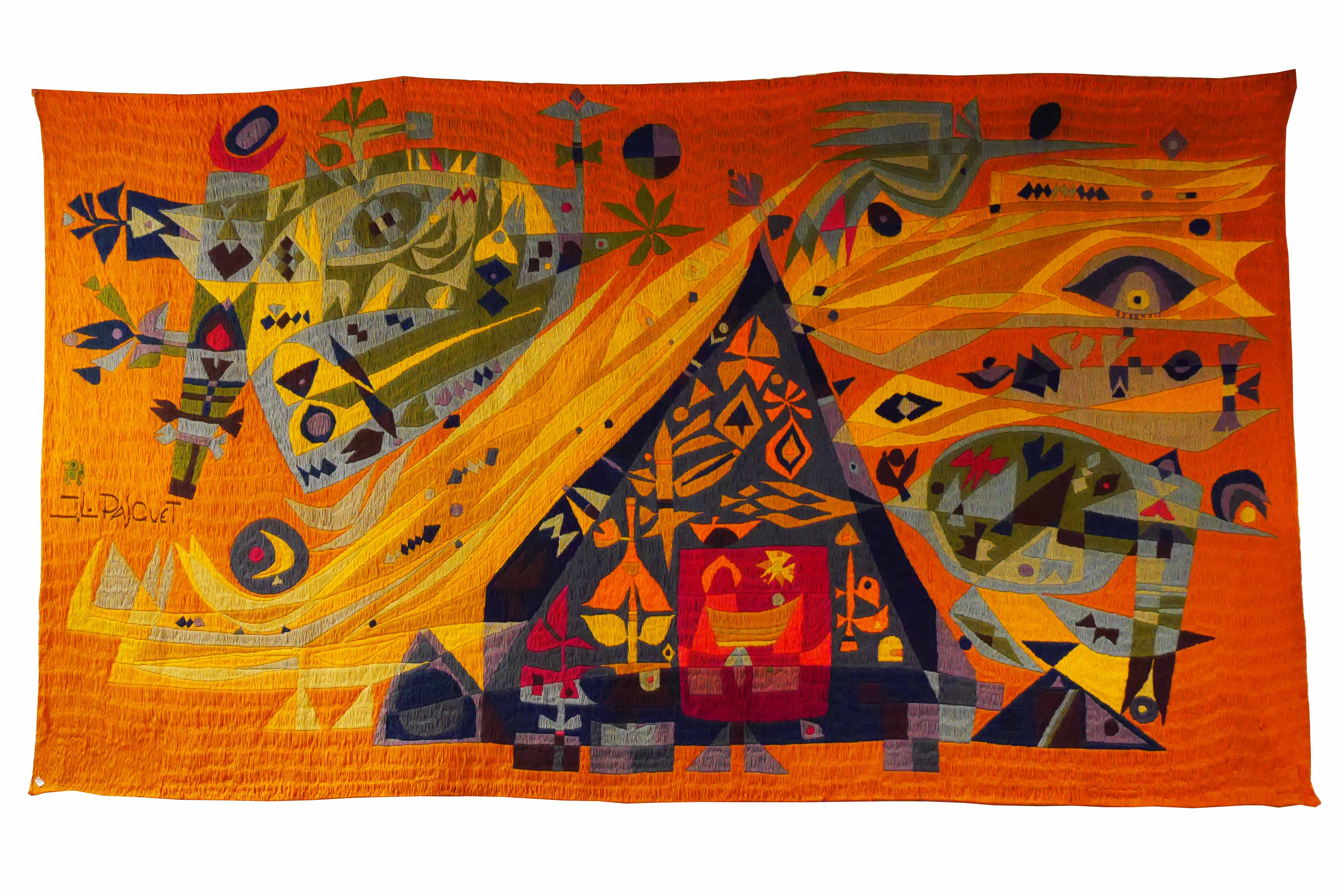
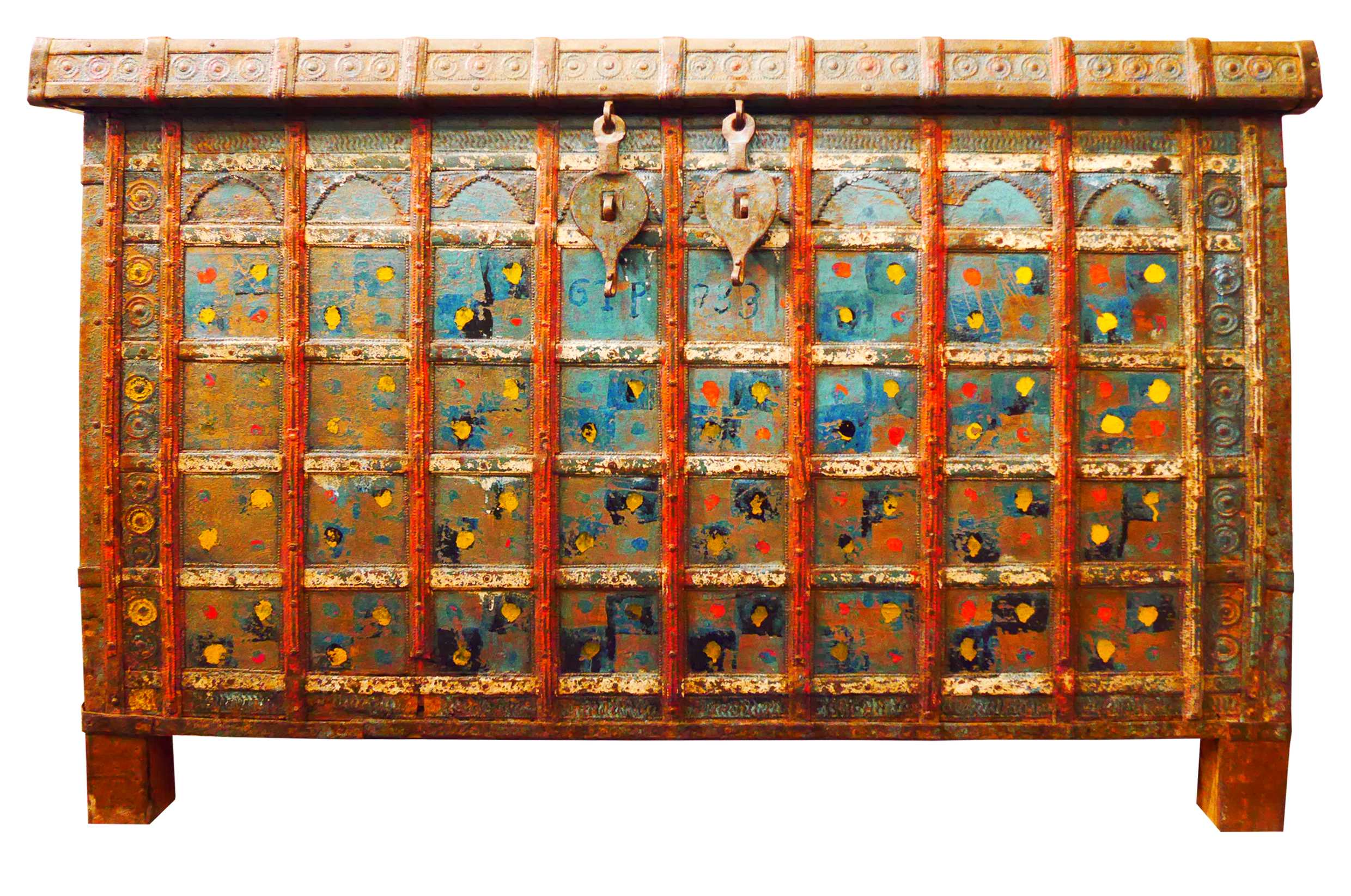
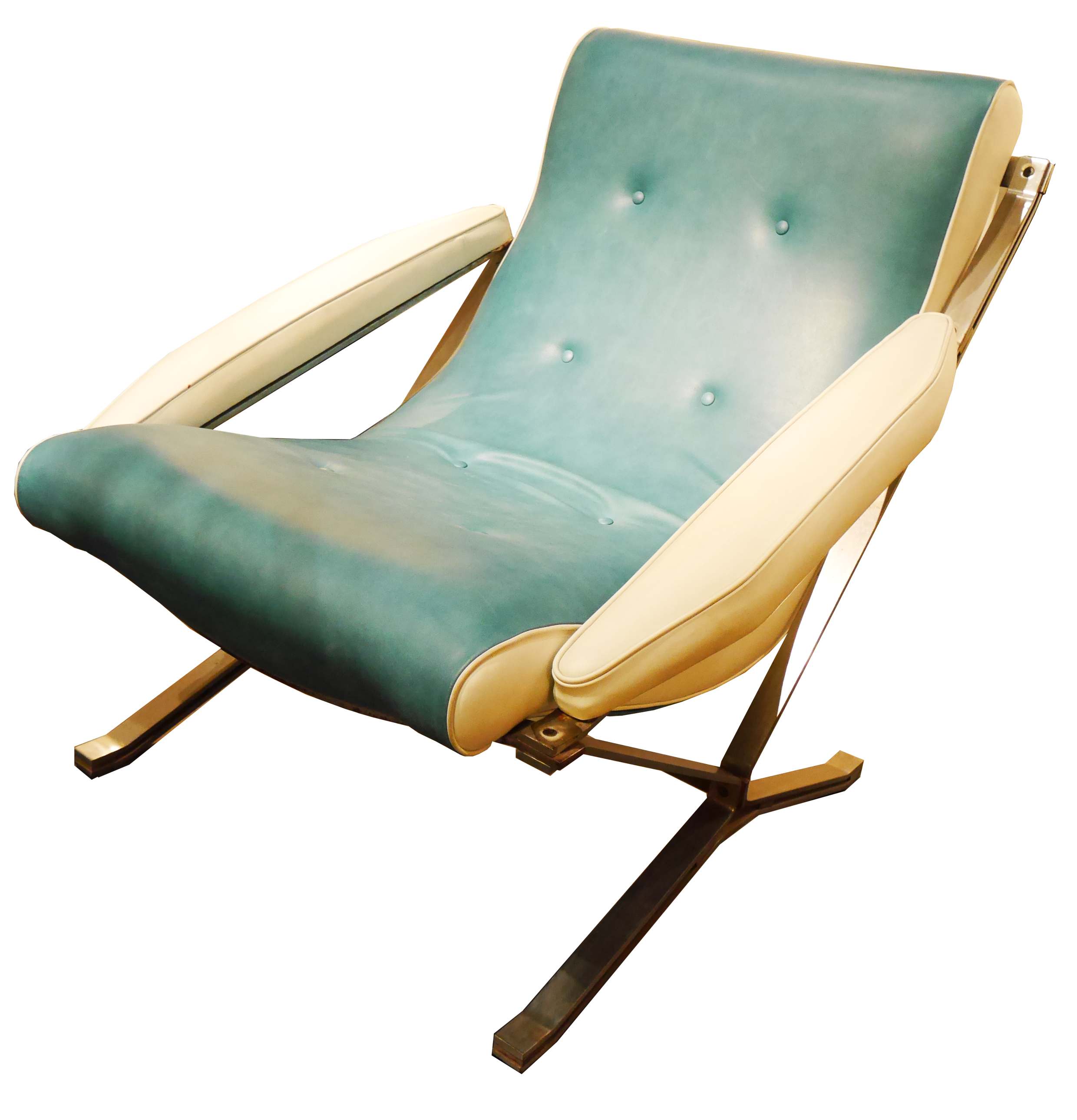
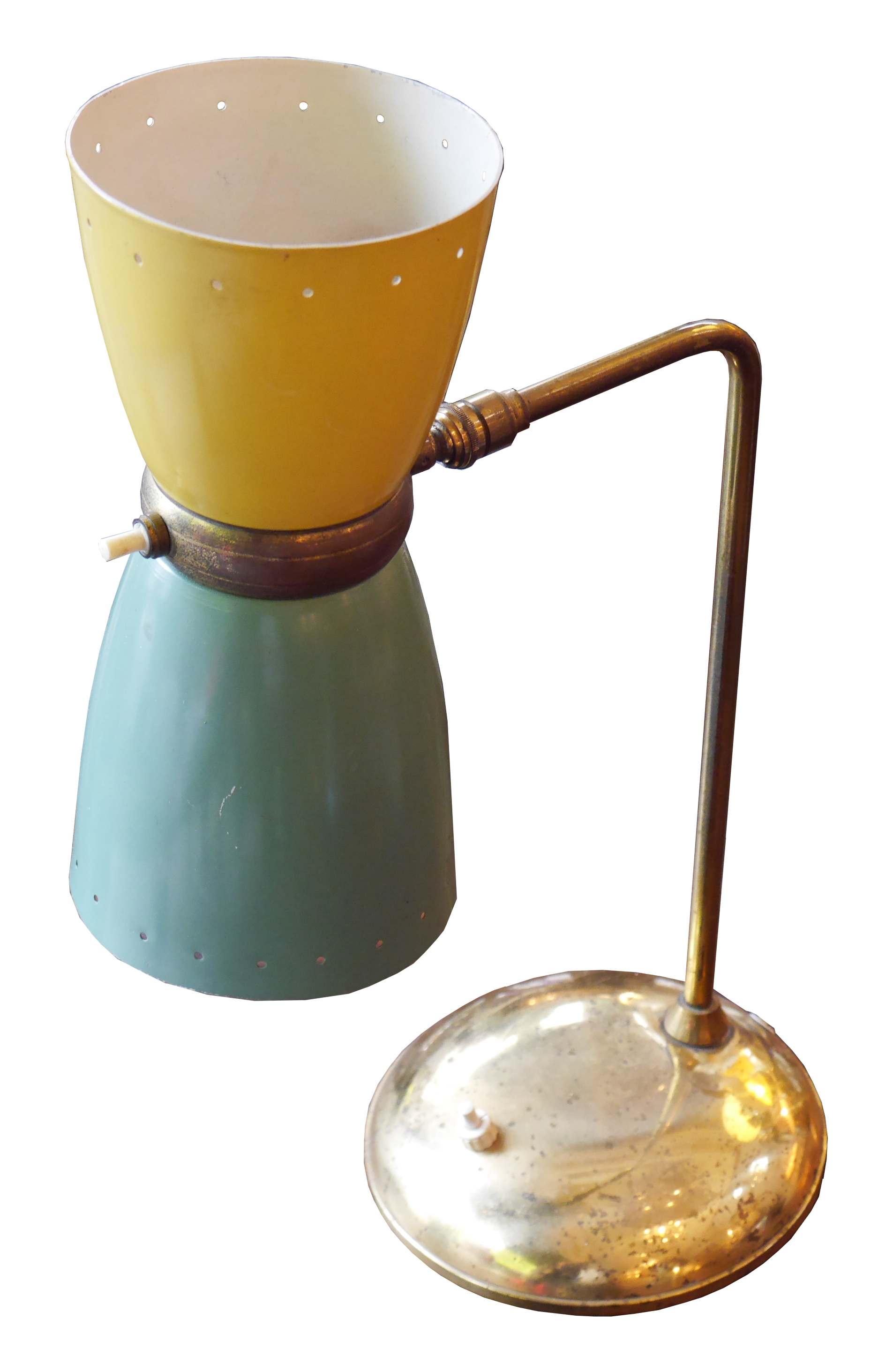

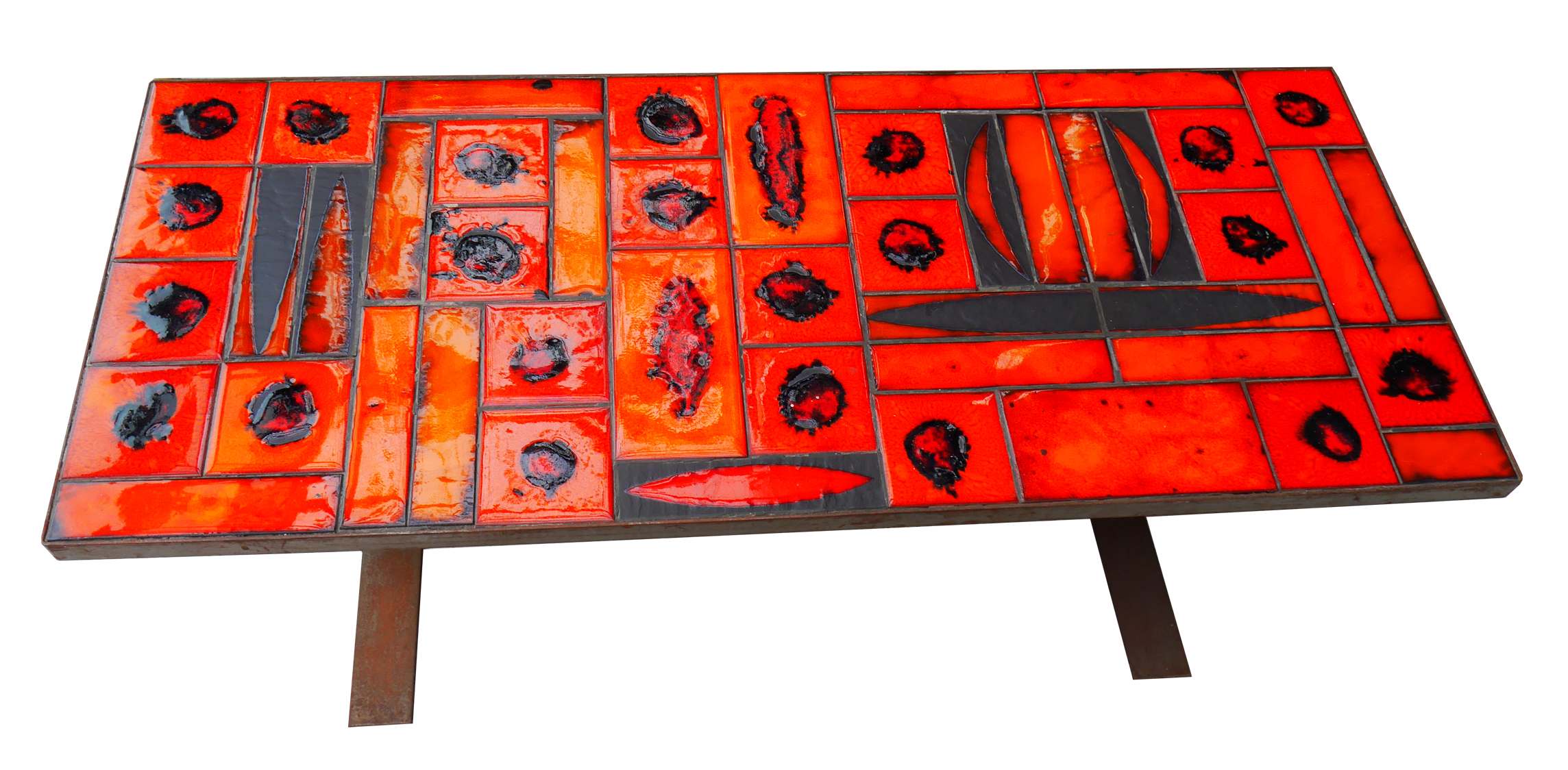
Colors are not harmless. They convey values, prejudices, history(story). Slightly acid, fruity, earthy, primary, they weigh on our imagination. They are neither unchanging nor universal as perfectly showed him, Michel Pastoureau in his Petit livre des couleurs appeared in 2007. Colors were transformed over time and our sensory device modified itself. We claim that the man can distinguish millions of colors!
Walls of the caves which adorn themselves with black and with ochre in the color chart of the workshops of tapestry which counts more than 20 000 colors, the color is everywhere, but its perception and its language are not universal. She can cover a surface, dress the objects of the everyday life, the sculptures or the architecture. The painters play three primary colors, mix them, associate them, bring into conflict them.
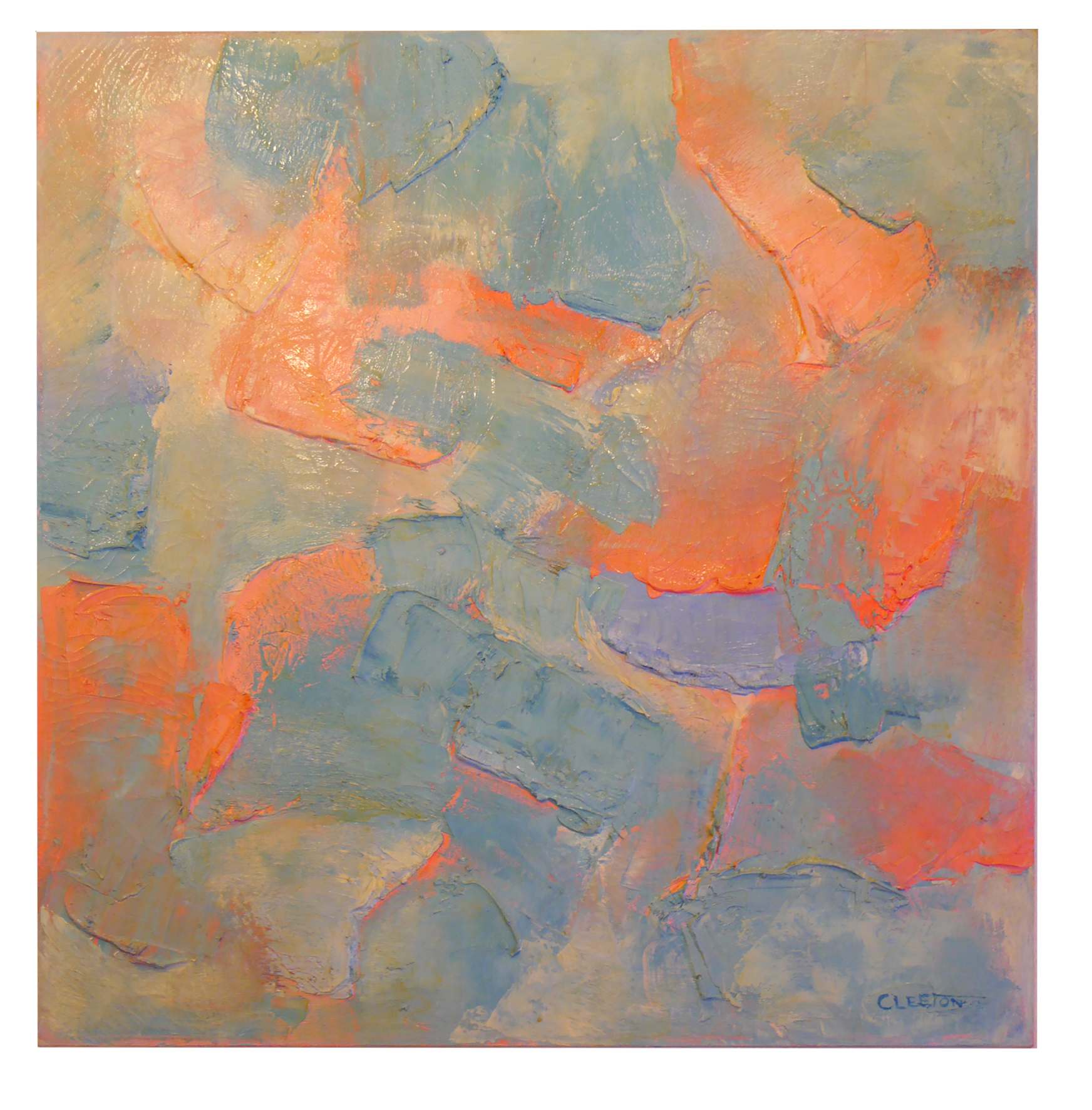
In West, at first, colors are strongly connected to the religion which established the values as for example, the blue becoming from the XIIIth century the color of the Christendom. The medieval colors that are the black, the red, the yellow, the blue, the white and the green spread in clothes and in churches. At the beginning of the XIVth century, the theories on the color outcomes of the Antiquity and the Middle Ages continue to prevail, while at the same time we discover that all the colors can be obtained from a basis of three primary colors: the blue, the red and the yellow. In the XVIIIth century, the color is considered as that must give birth in the works. The XIXth and the XXth century are the centuries of the liberation of the color. In painting, we observe aplats big of colors with nabis, call to the sensorialité of the spectator in the expressionism and the freedom of the color with the fauvism.
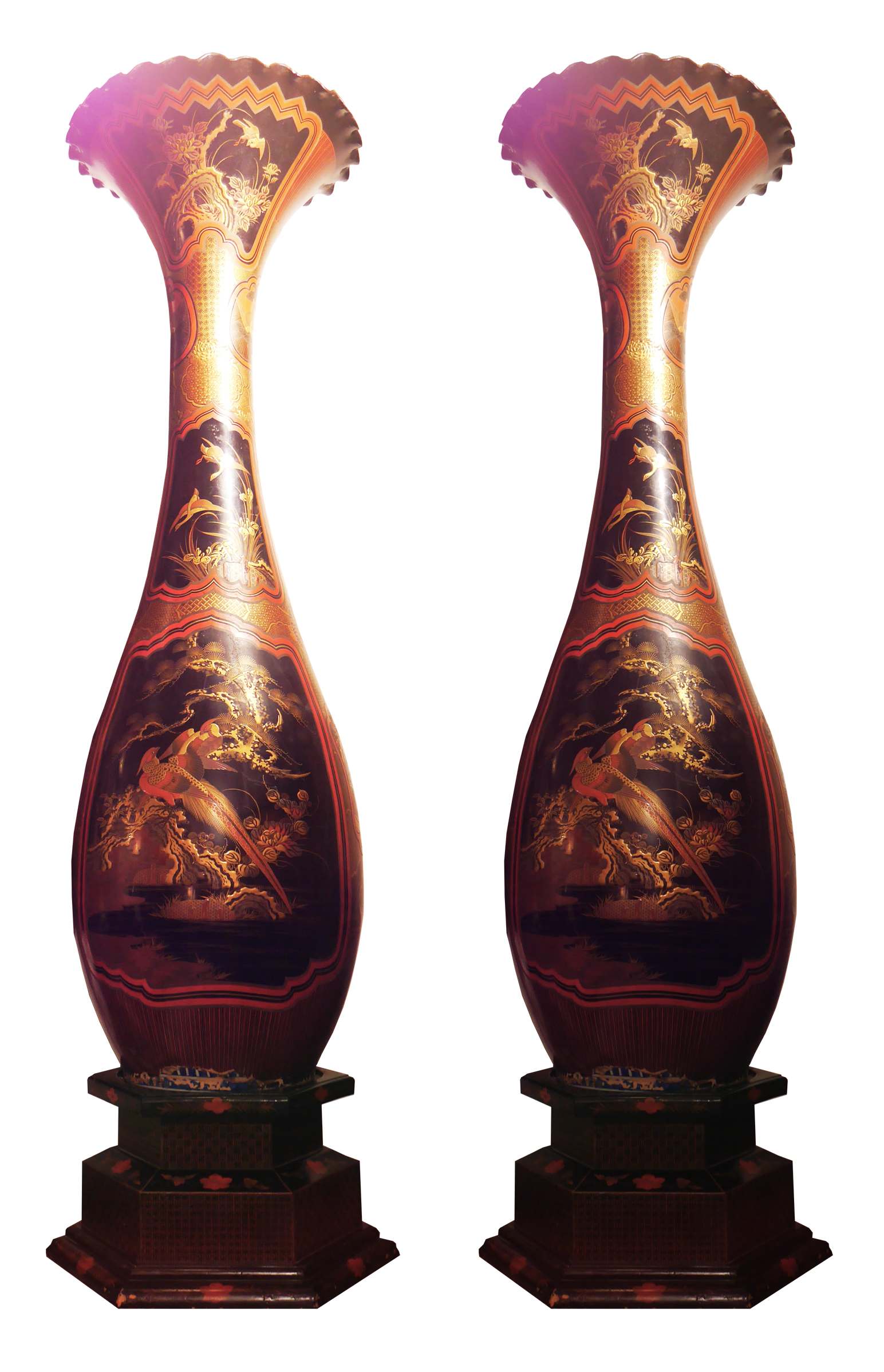
In the Asian art, the chromatic range is more reduced and the most present colors are the black, the red, the blue, the ochre, the yellow and the white as we can perceive it in objects decorated with lacquer.
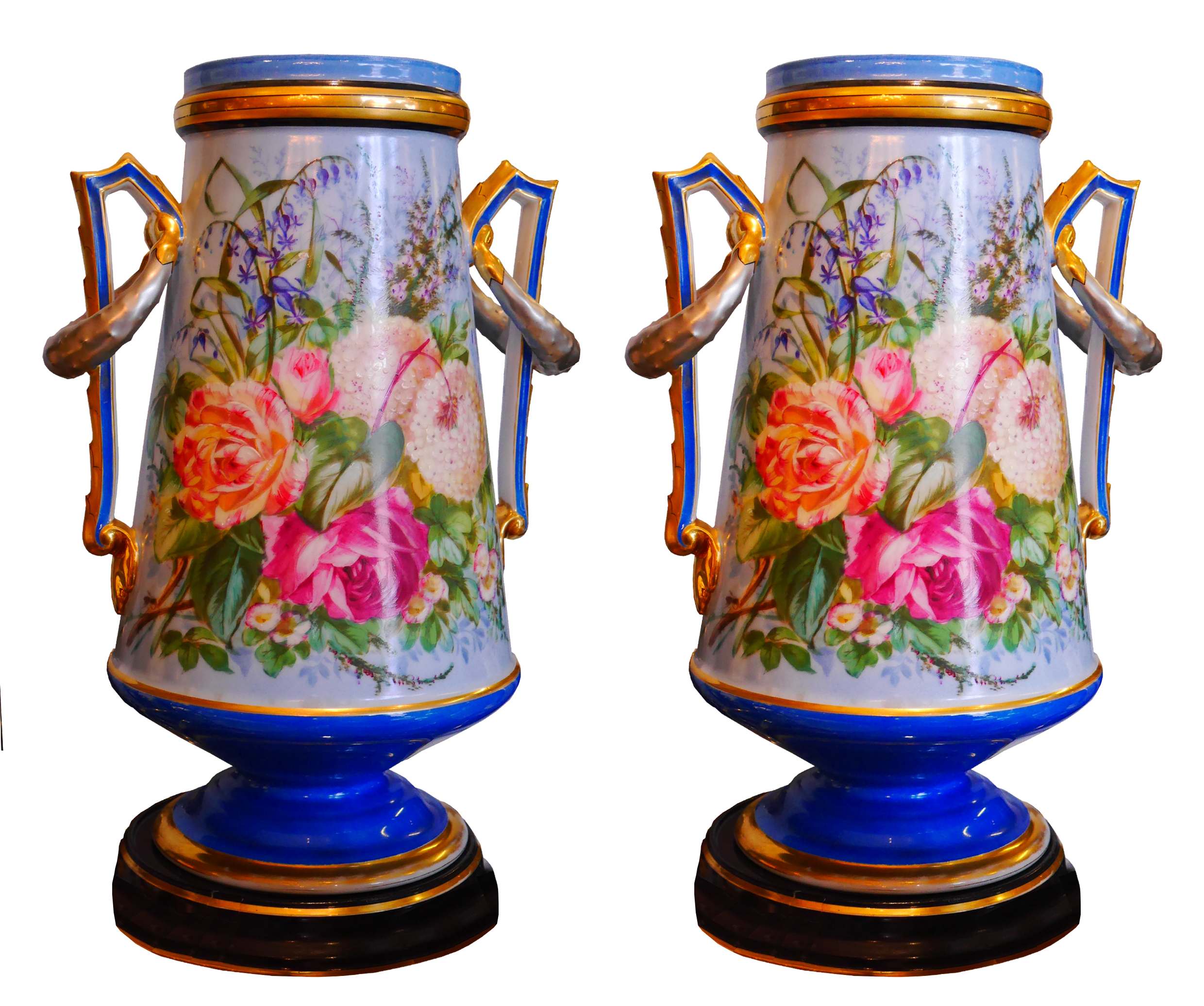
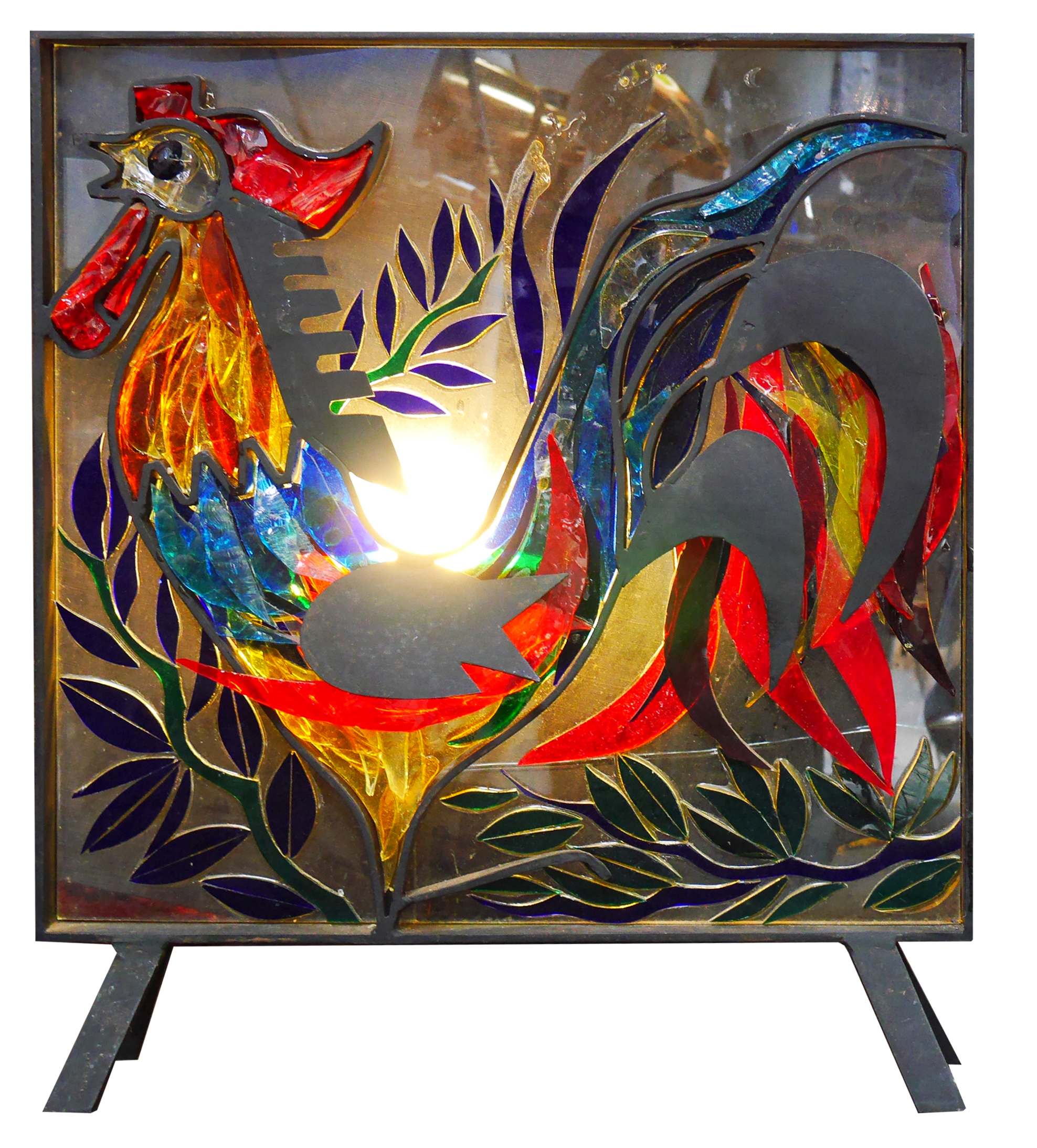
The ceramics as the ceramic and the glass factory also have a big extent in the chromatic pallet extending of the black, in the yellow, including the pink, turquoise or the purple. These nuances are obtained by means of pigments. From natural origin, the latter reproduced for many by chemical synthesis from the XIXth century. From this chemistry, it becomes then possible to give free rein to its creativity while keeping the importance of the symbolism of colors. In the middle of the XXth century, the new materials such as the plastic or the polyurethane allow the furniture and the objects of the everyday life to raise magnificent lively colors as chairs S of Verner Panton for Herman Miller in 1967.