Earthenware
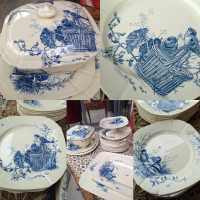
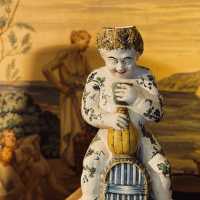
There are two types of earthenware. The first one is the tin-glazed earthenware or majolica, a terra cotta covered with a tin-based glaze that gives it a white shiny finish. The other one is the fine earthenware, which displays an ivory color due to a lead-based glaze. In Middle East, earthenware was mastered as early as the 9th century, like Iznik earthenware for example. In the Middle-Ages earthenware spread throughout Europe, and many factories emerge in Delft, Rouen, Samson or Lille. Numerous workshops settled in Vallauris, like Grandjean-Jourdan, Robert Picault and Jerôme Massier. Some earthenware works are famous and present a great historical interest, like the productions from Bernard Palissy in the 16th century, which later inspired ceramists like Georges Pull (1810-1889) and Alfred Renoleau who created many “plats aux poissons” (fish plates) circa 1890. Earthenware is also widespread in Italy, with renowned names like Del Vecchio in Naples.