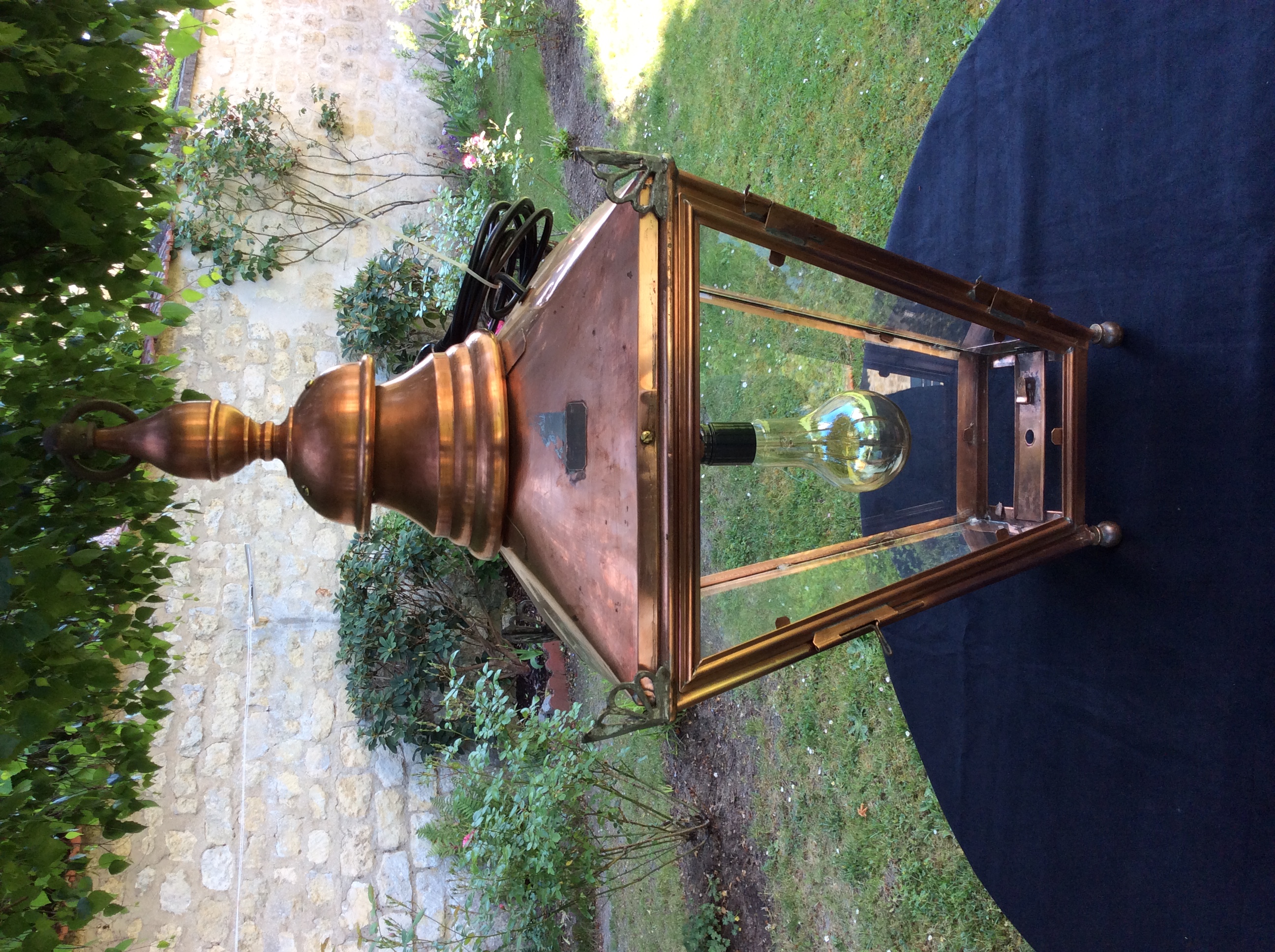
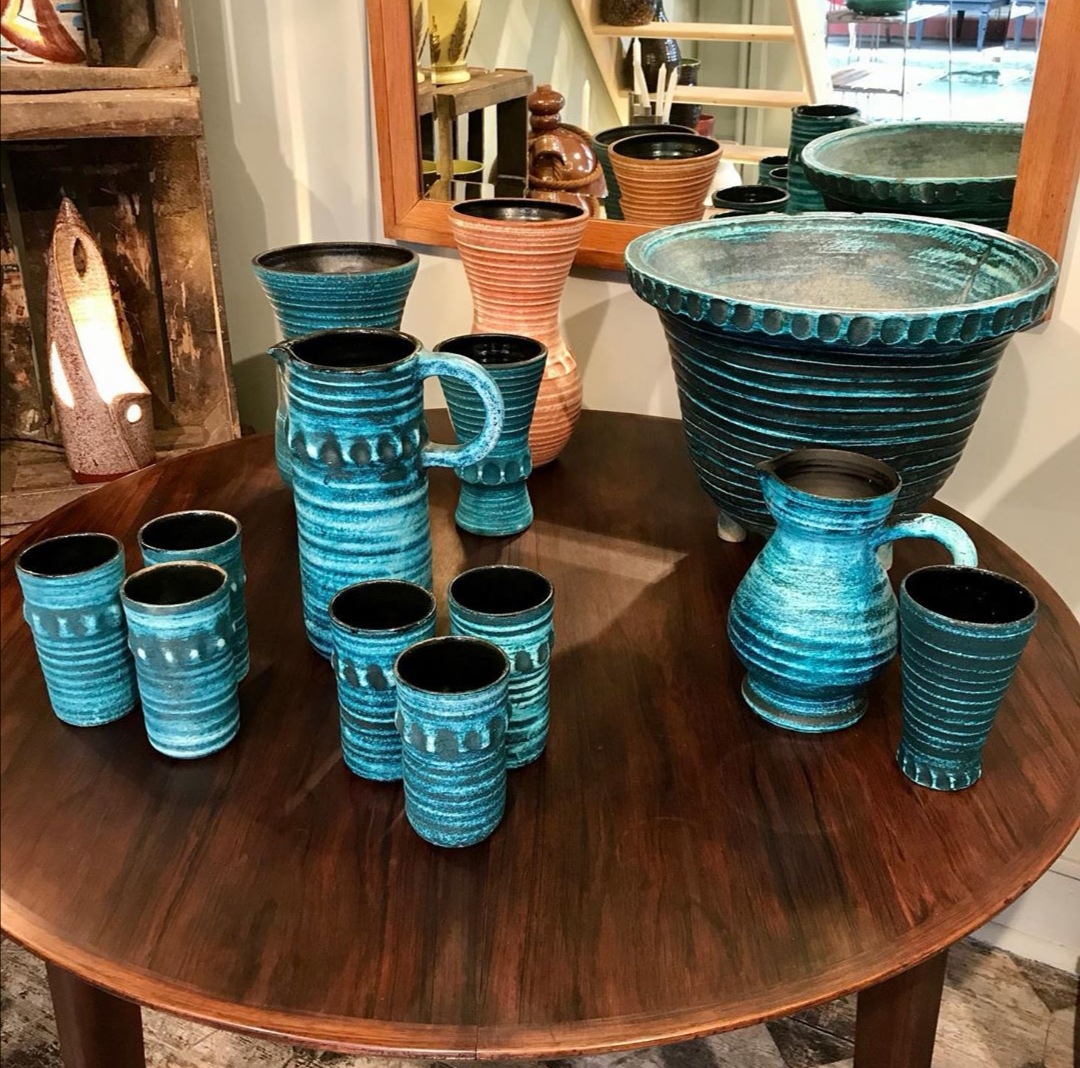
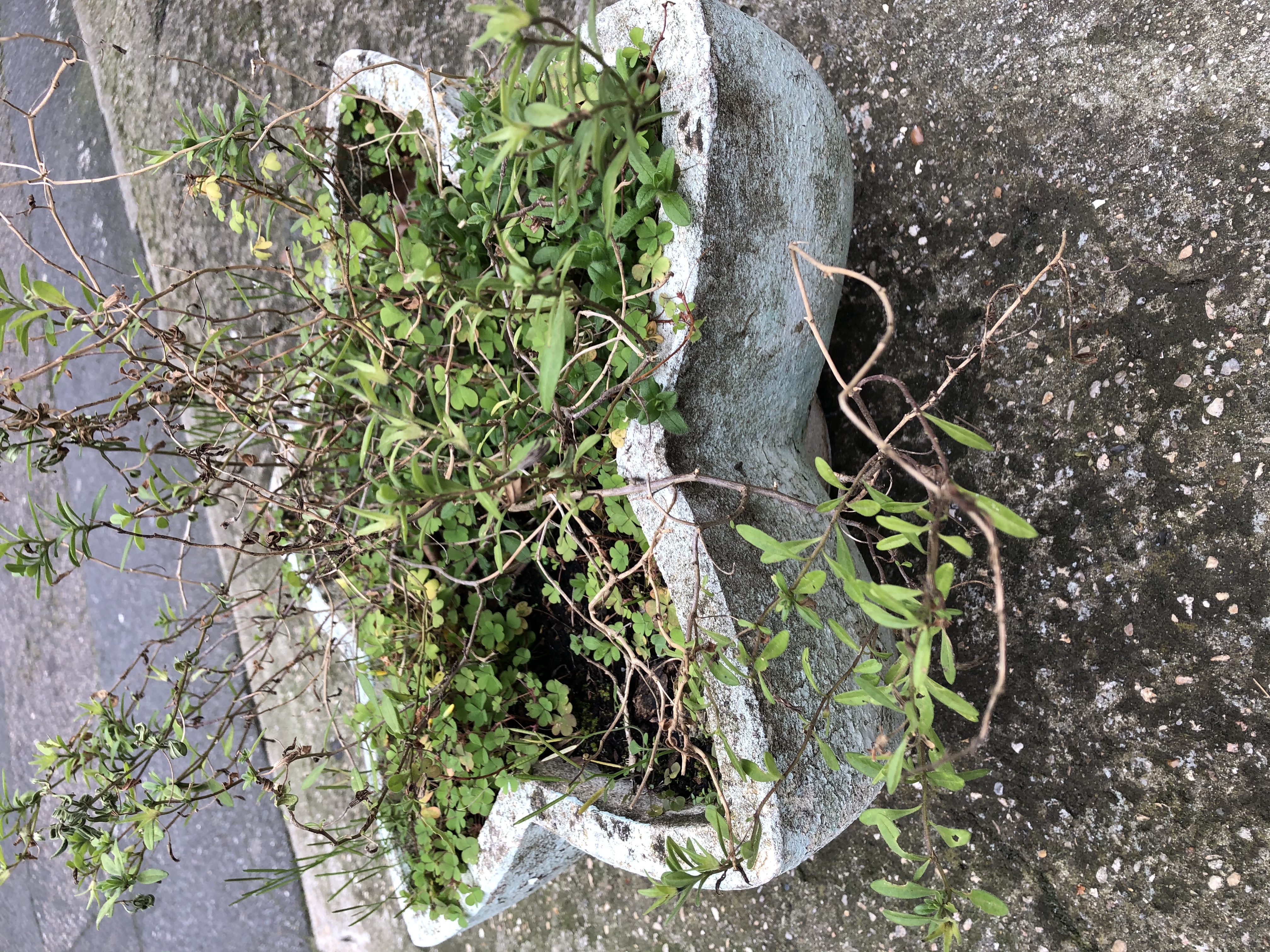
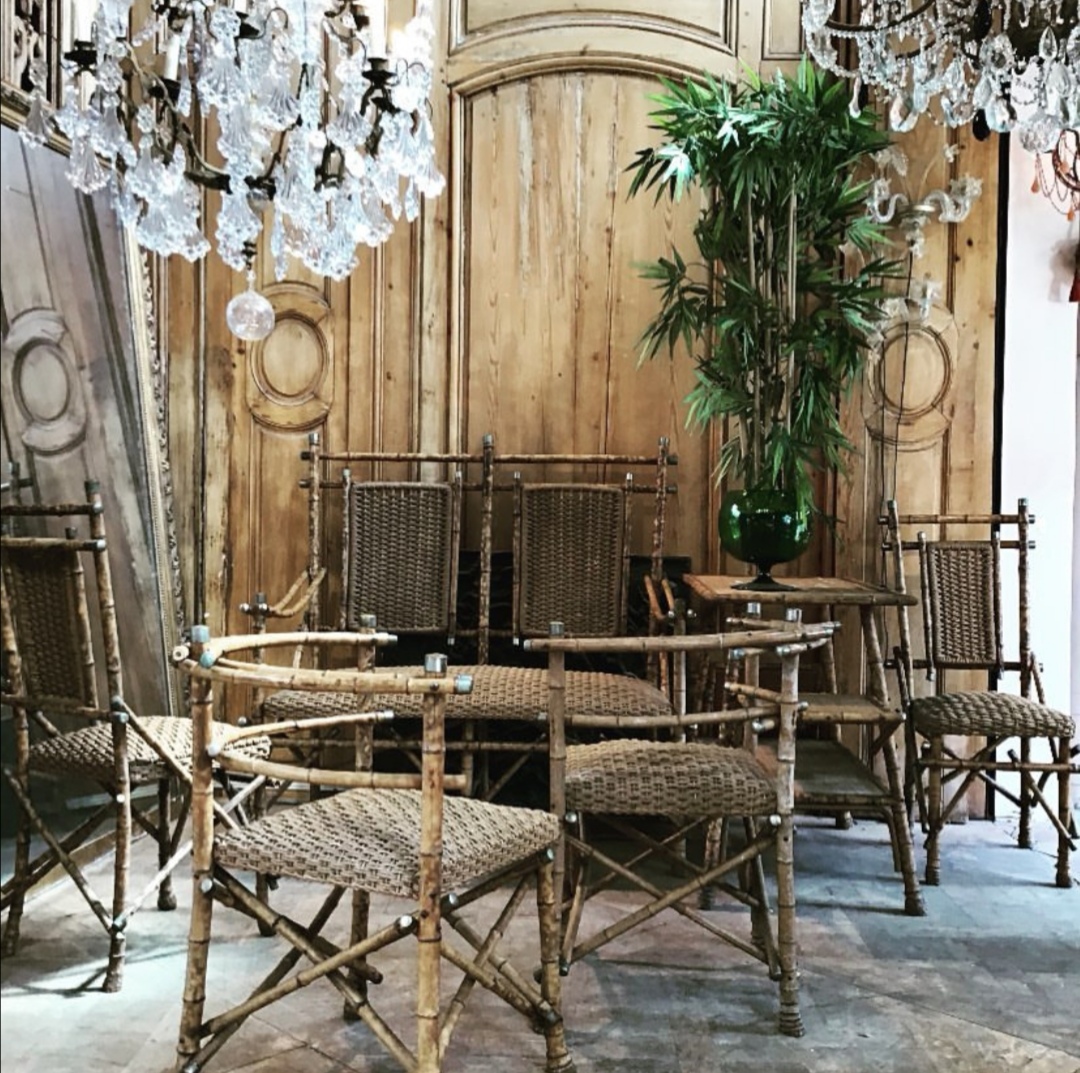
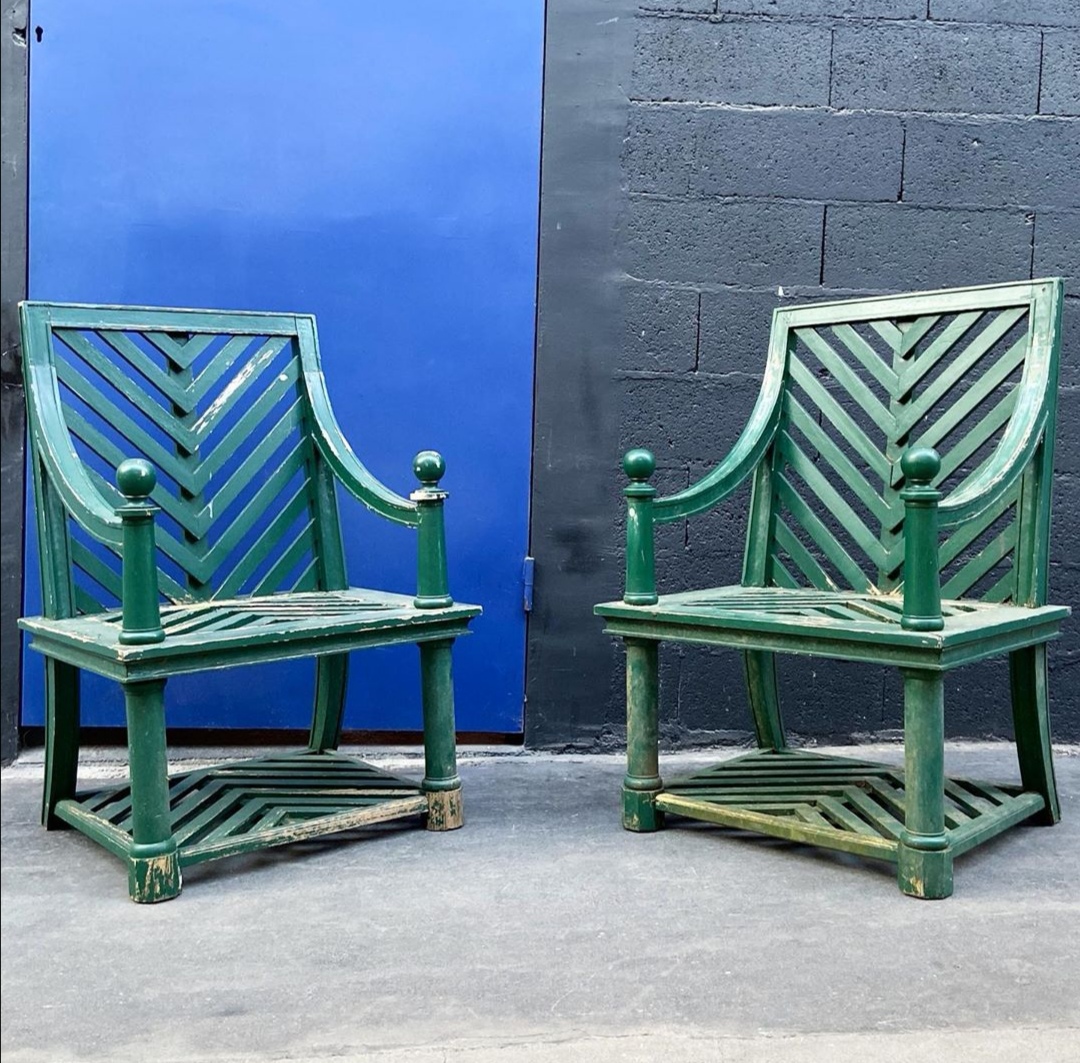
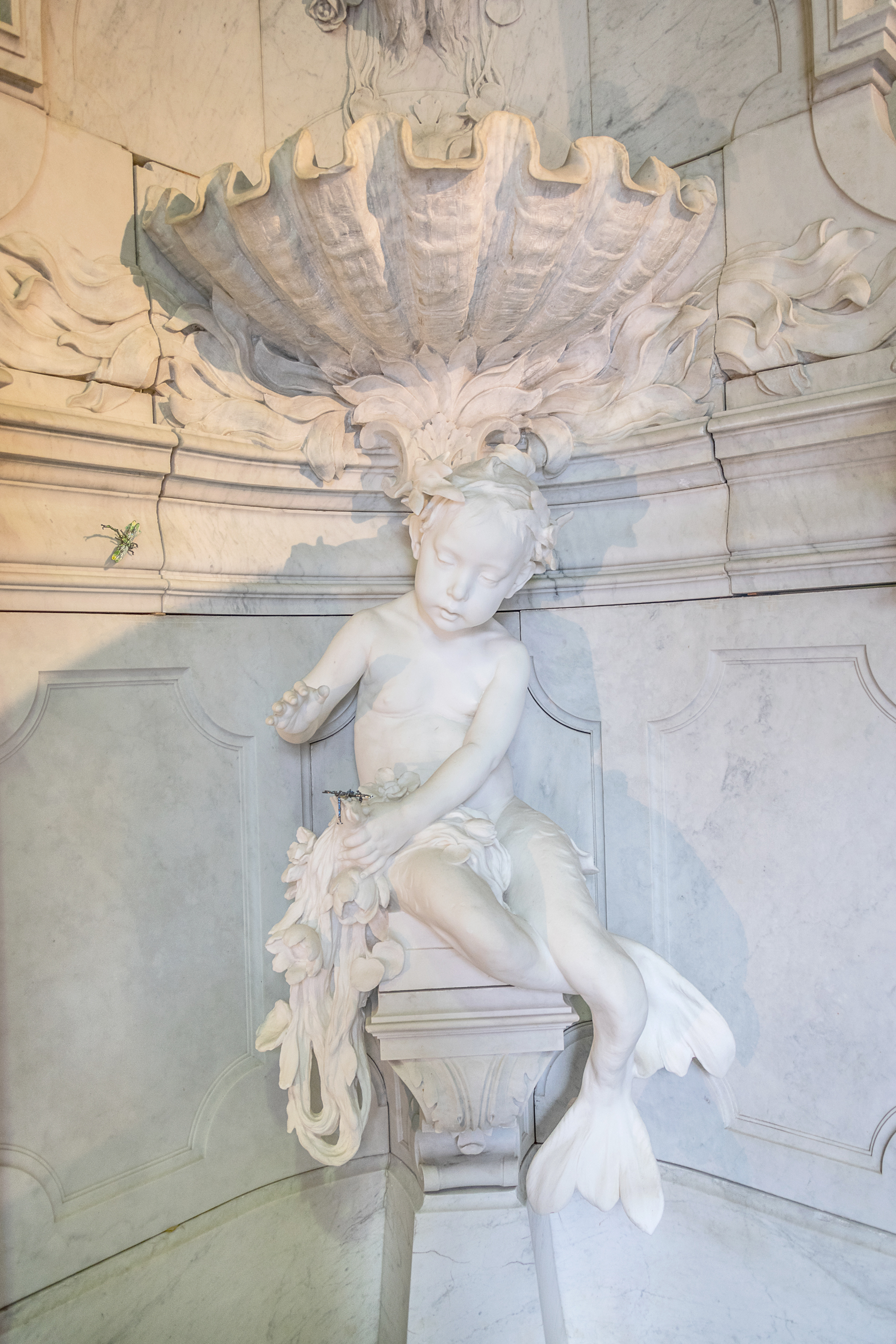
Formerly categorized as exterior to the home, the garden is now an integral part of a house and is envisaged in its layout as a room in its own right or relaxation, well-being and connection to nature are expressed as much through the choice of plants and furniture.
Pleasure garden
The former food-producing garden became a pleasure around the 10th century. The medieval garden then came in different forms: the vegetable patch, the space dedicated to medicinal plants and the pleasure garden. The useful becomes pleasure, the first Western gardens are born, but it is during the Renaissance that the art of green spaces will really unfold.
The famous Villa d'Este and its gardens in Tivoli or the Villa Medicis testify to this green richness, pledge of pleasure and art of living in the Italian style. Private gardens are then deployed across Europe, reserved for the aristocracy and a privileged few.
Two gardens, two atmospheres
From the XVIIth century, the garden must represent wealth and power. Adorned with the most beautiful fantasies, it becomes a theater open to nature and the world that we admire during long walks.
The French garden is organized around large floral ornate lines, oblique and perpendicular axes which govern the layout of the flowerbeds while inserting landscape compositions into its structure. The benches thus appear, allowing both a necessary rest for cross these vast spaces and a more serene contemplation.
André Le Nôtre, famous master of the art of the French garden and gardener of the king thus designed the gardens of Vaux le Vicomte and the gardens of Versailles, emblems of the style. Like André Le Nôtre, many French architects landscapers will spread the art of the garden throughout Europe, notably Pierre Desgotz, Claude Desgots, Jean-Charles Garnier d'Isle, René Carlier, Jean-Baptiste Robillon…
A thousand places from the French garden, England is developing another style of garden, landscaped, very dense and picturesque. Influenced by the Chinese garden, it aims to be less structured and closer to indomitable nature, sinuous alleys full of various plants. The Tudor dynasty features sublimated gardens with fountains, statues and intertwined plants, which inspired the “Knot Garden”.
XIXth century the democratization of the garden
In the XIXth century, styles get married, the French garden adopts the English valleys covered with trees imported from the Americas. The highly developed horticulture enriches the vegetable gardens with various species.
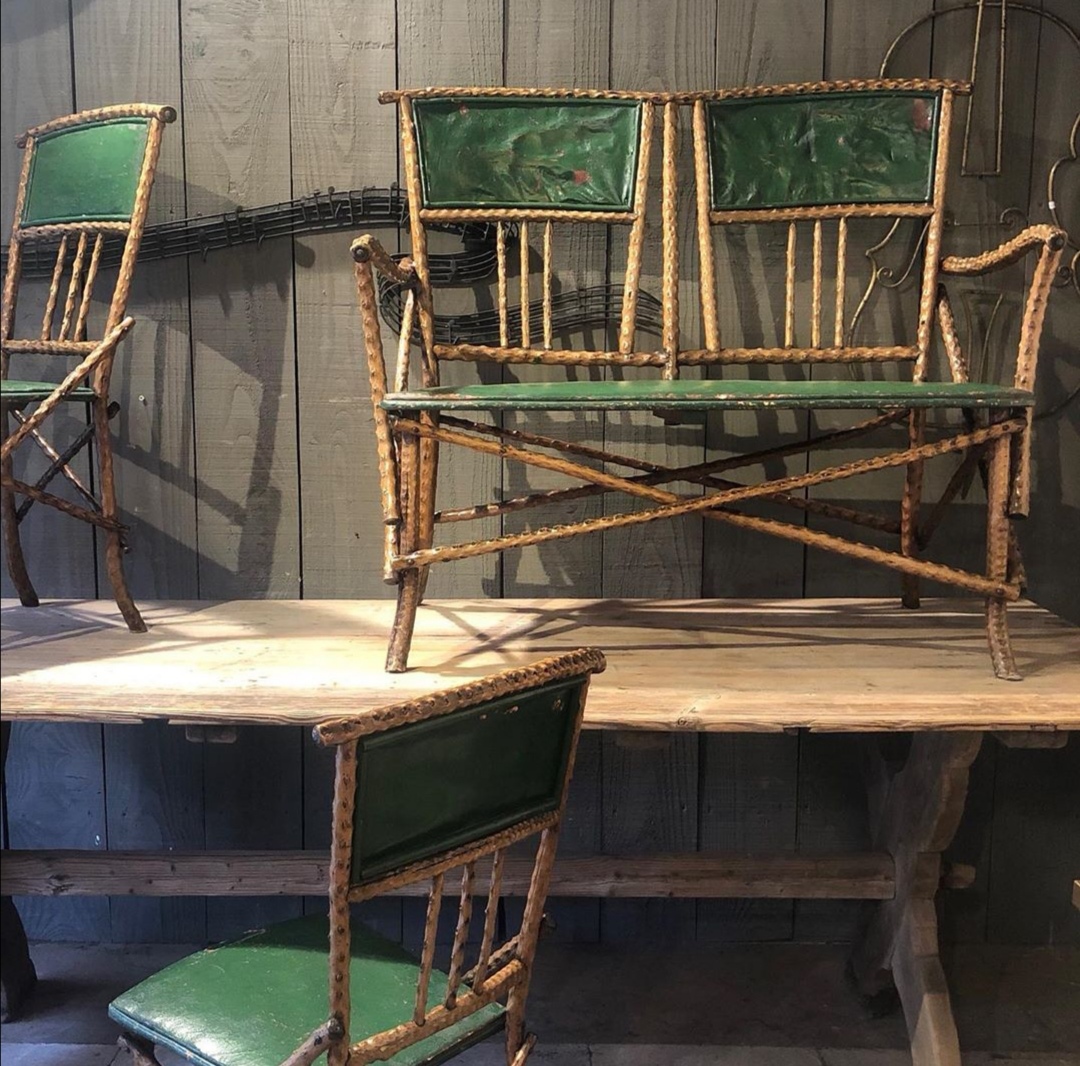
The basket of flowers is born, the fashion is for irises, greenhouses and rose gardens with arches. Rockeries decorate gardens. An integral part of an art of living, the garden is becoming popular and a reflection of a social culture. Fruit of economic progress, technological and architectural evolutions, the materials of garden furniture evolve as much by their technicality as their forms.
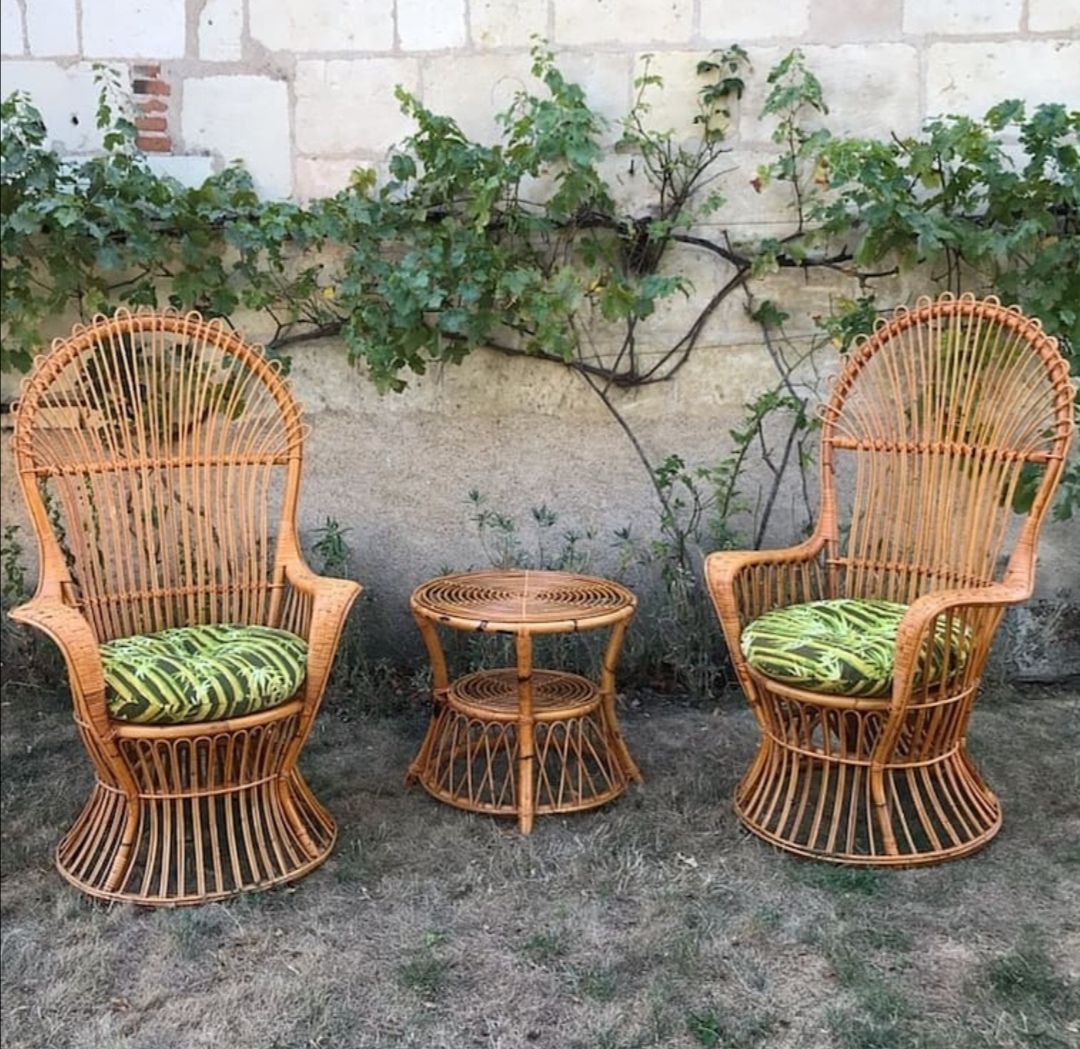
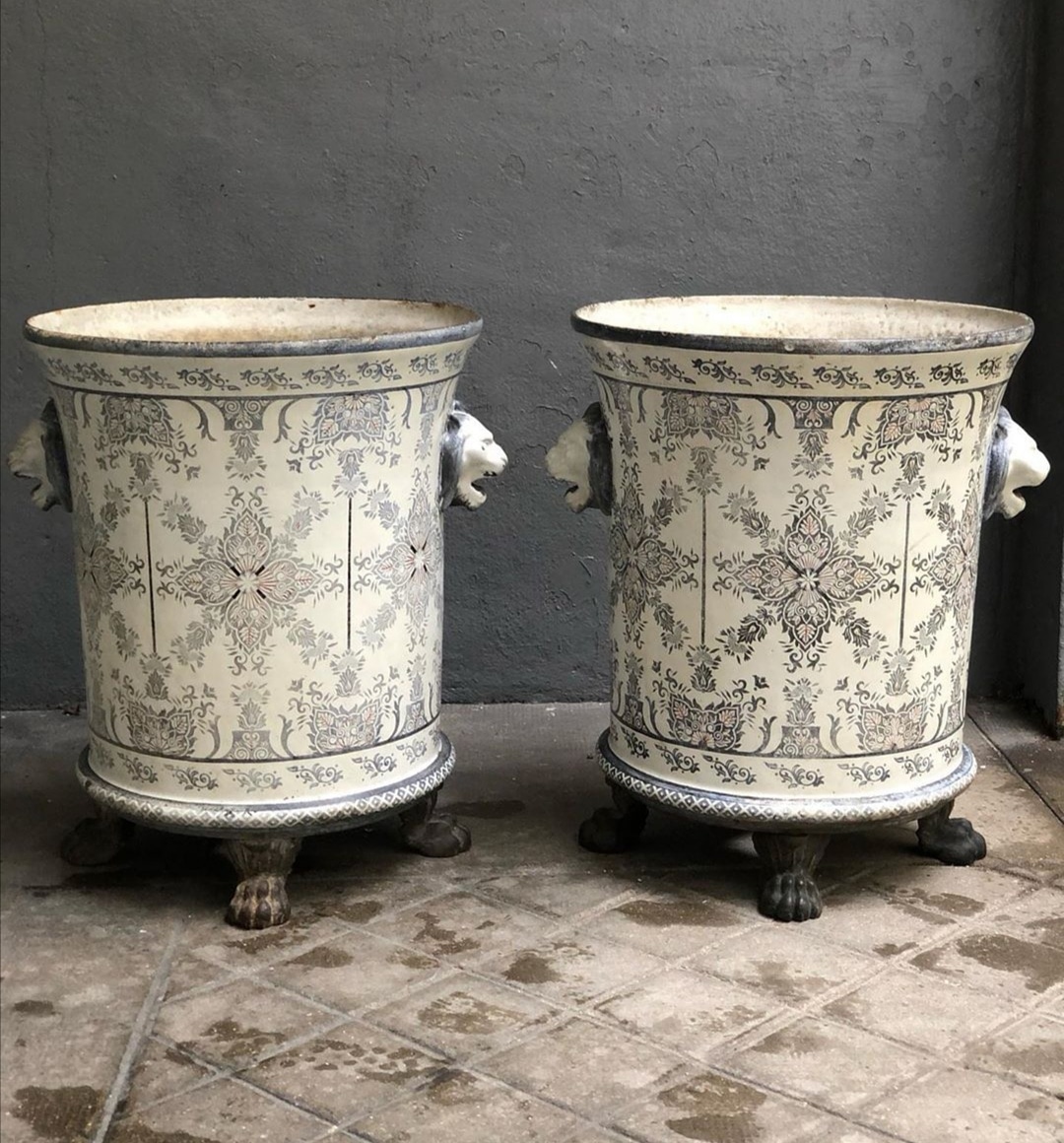
As a modern comfort reflection, the garden now embraces fruit trees, various plants nearby rattan, wicker, bamboo and wood furniture. Sculptures, planters and fountain participate in the 70's decor, minimalist or seaside atmosphere, the trend is for personalization in harmony with the chosen vegetation.