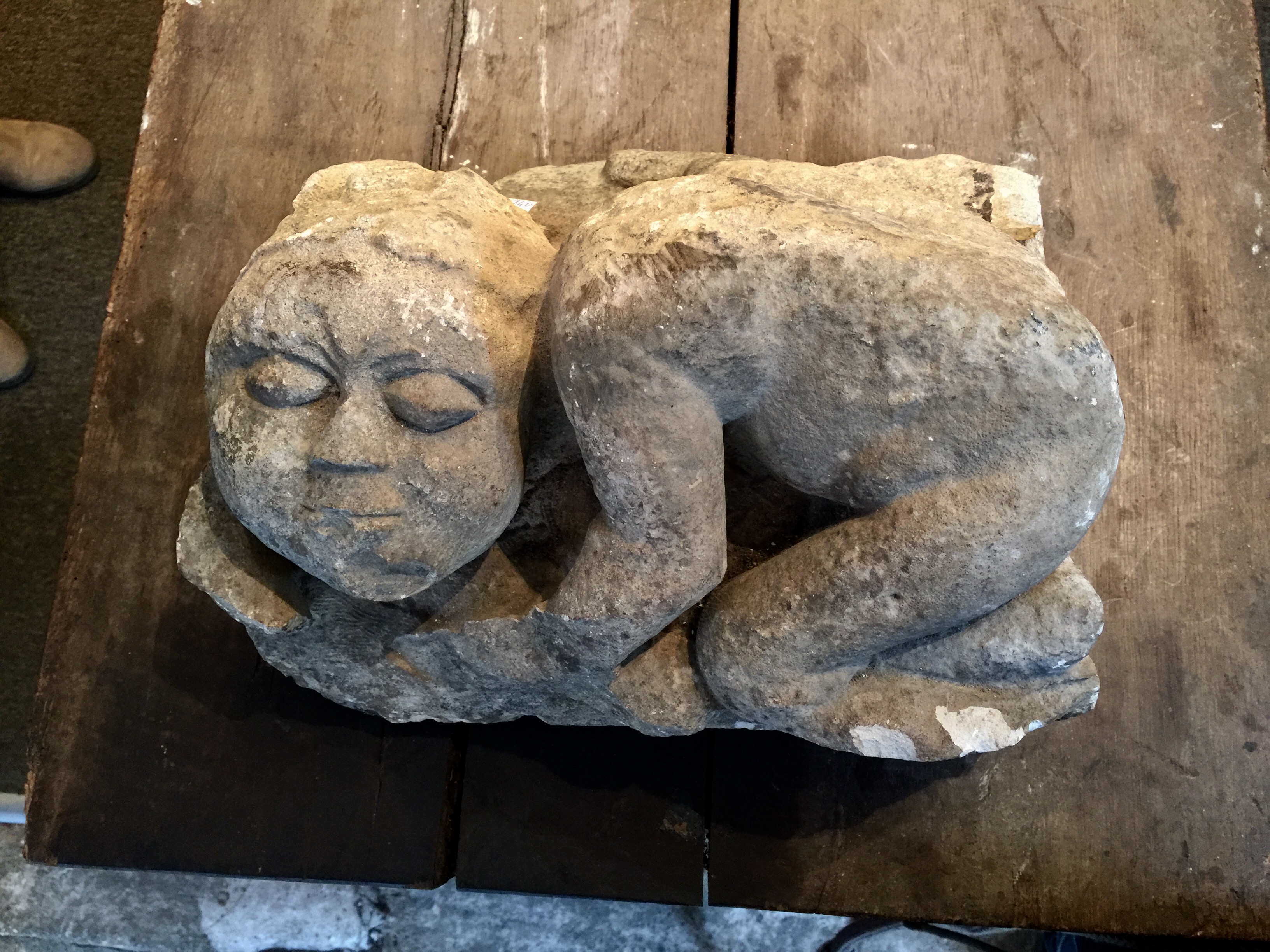
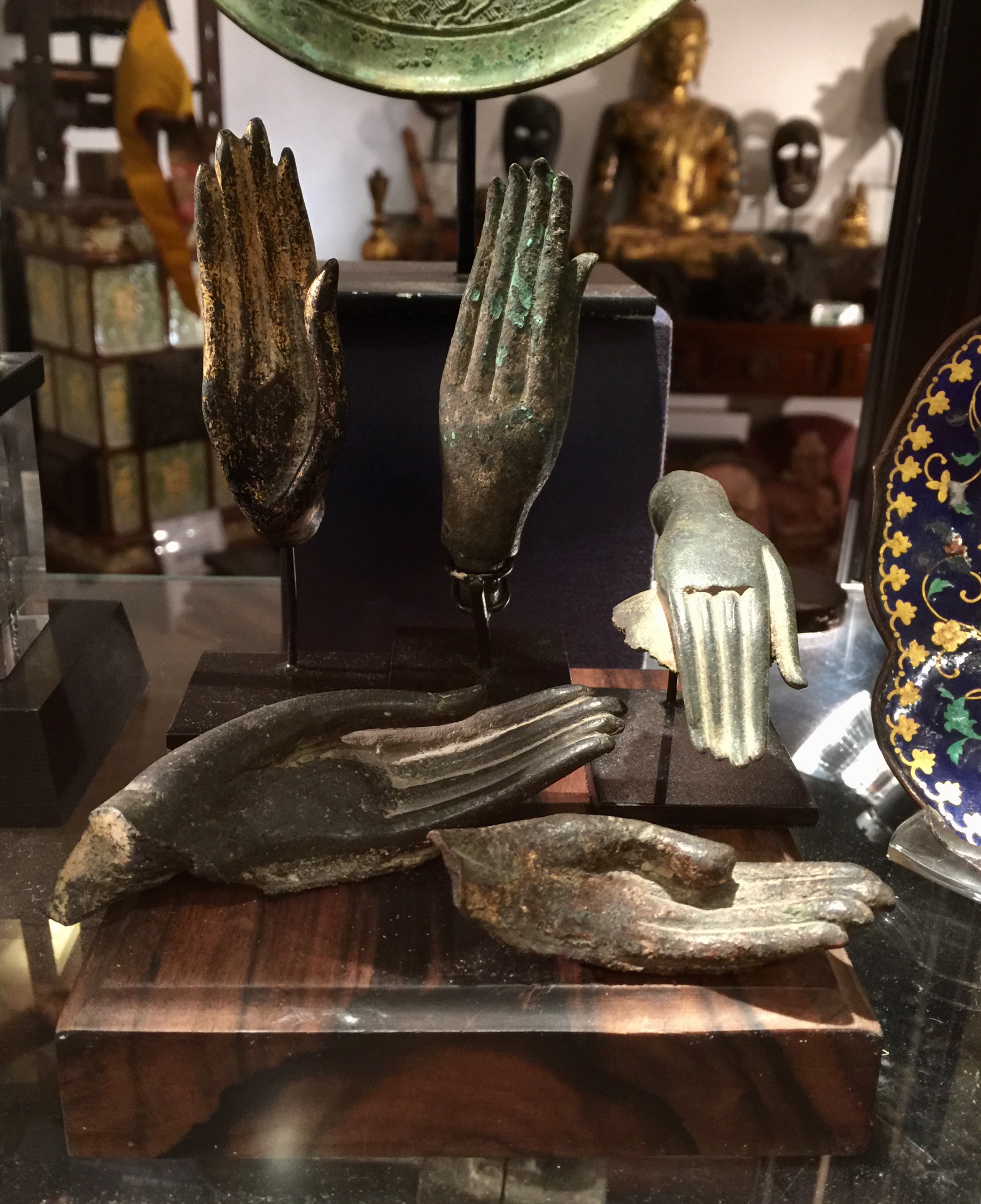
A piece of a broken, broken, torn piece, part of a work whose essential has been lost, the fragment nevertheless has a place of choice in art, especially in the field of sculpture Since the Renaissance Up to the present day, archaeological excavations of many ancient statues are being excavated, the great majority of which are far from being intact. However, they feed the collections of the states as well as those of amateurs, whether historians, artists, intellectuals or Simple dreamers. They are exhibited in museums and dwellings as they are : amputated, scoured, lacerated, it is rare to replace the missing limb. And when it is done, often the fitting sees itself. Who would have the idea to return Arm to the Venus de Milo or the rest of his body to the Belvedere Torso, both considered as the canons of sculpture in the 19th century?
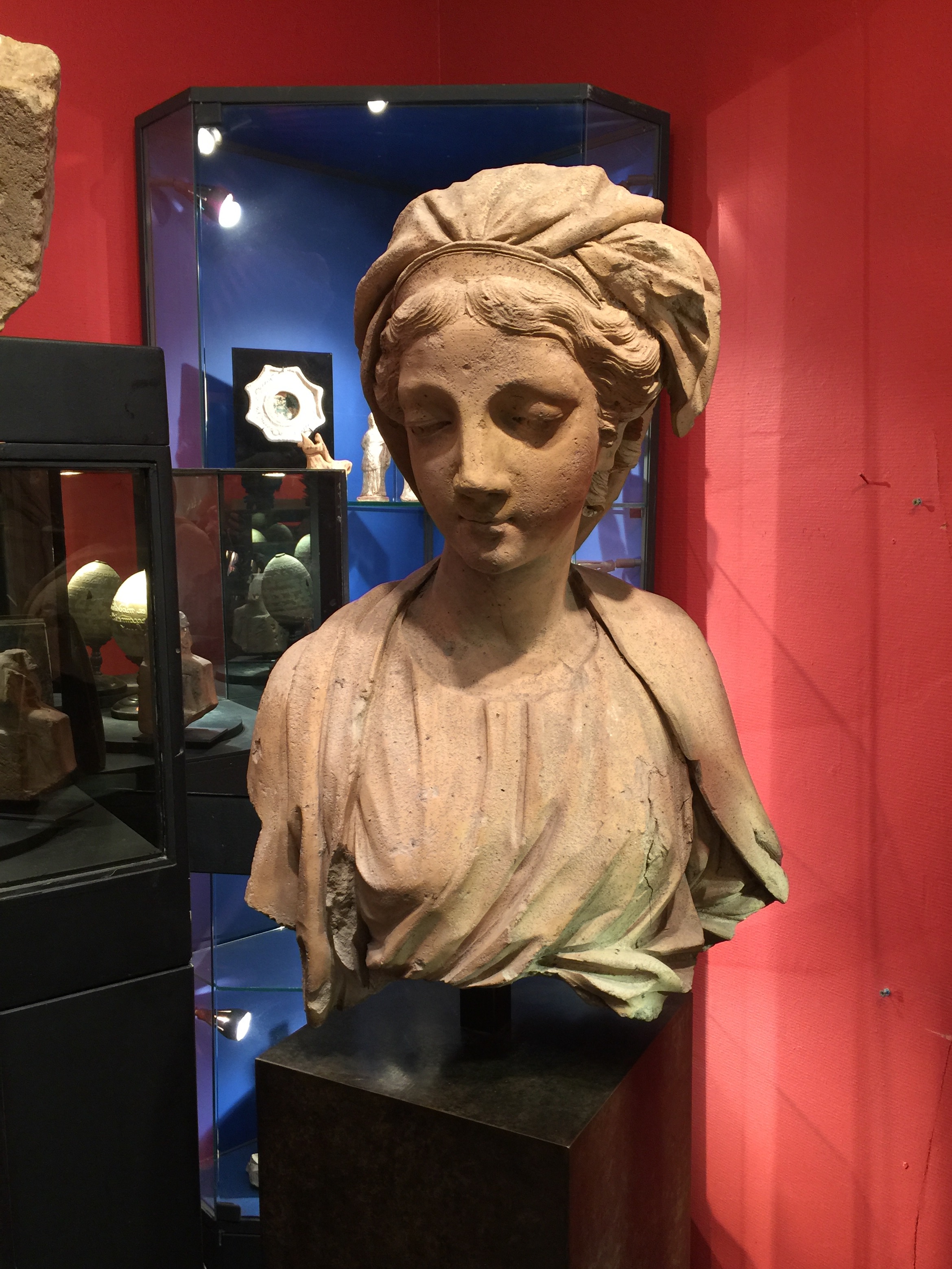
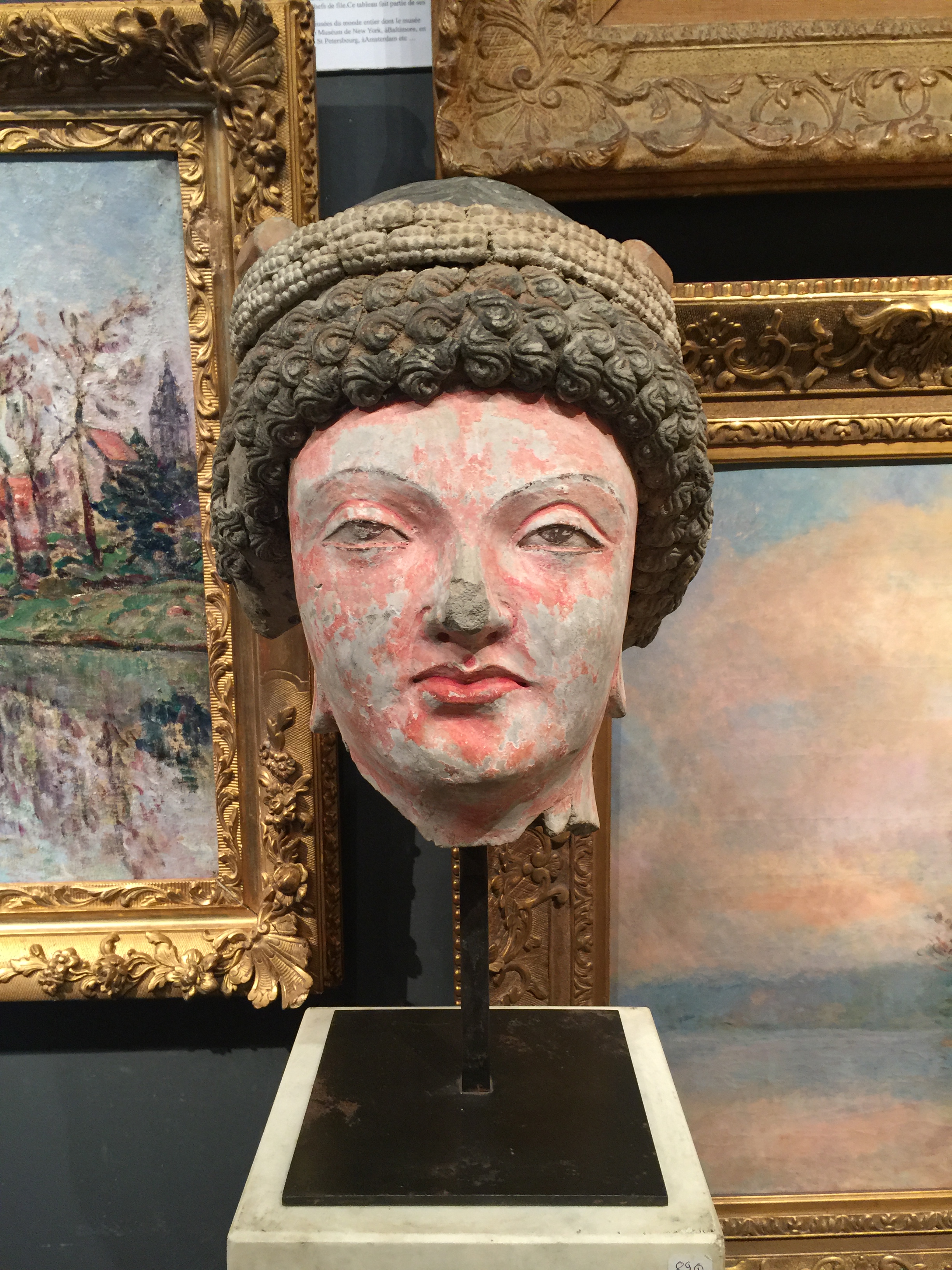
Thus the fragment can be appreciated as a work in its own right, as if it had been conceived and sculpted as such, as if it were self-sufficient. Accidents are sometimes happy : how can we guess that this bust of Young woman in terracotta of the 17th century is in fact only the top part of a sculpture life size? That is not an idealized portrait of a woman but, at the beginning, a representation of a saint? As a look that we would meet at the corner of a street, first detached from the body that carries it, the one that is placed on this sculpted head of Gandhara transports us into the world of the sacred Drained of its body, the Figure of the ideal woman rises to the rank of divinity
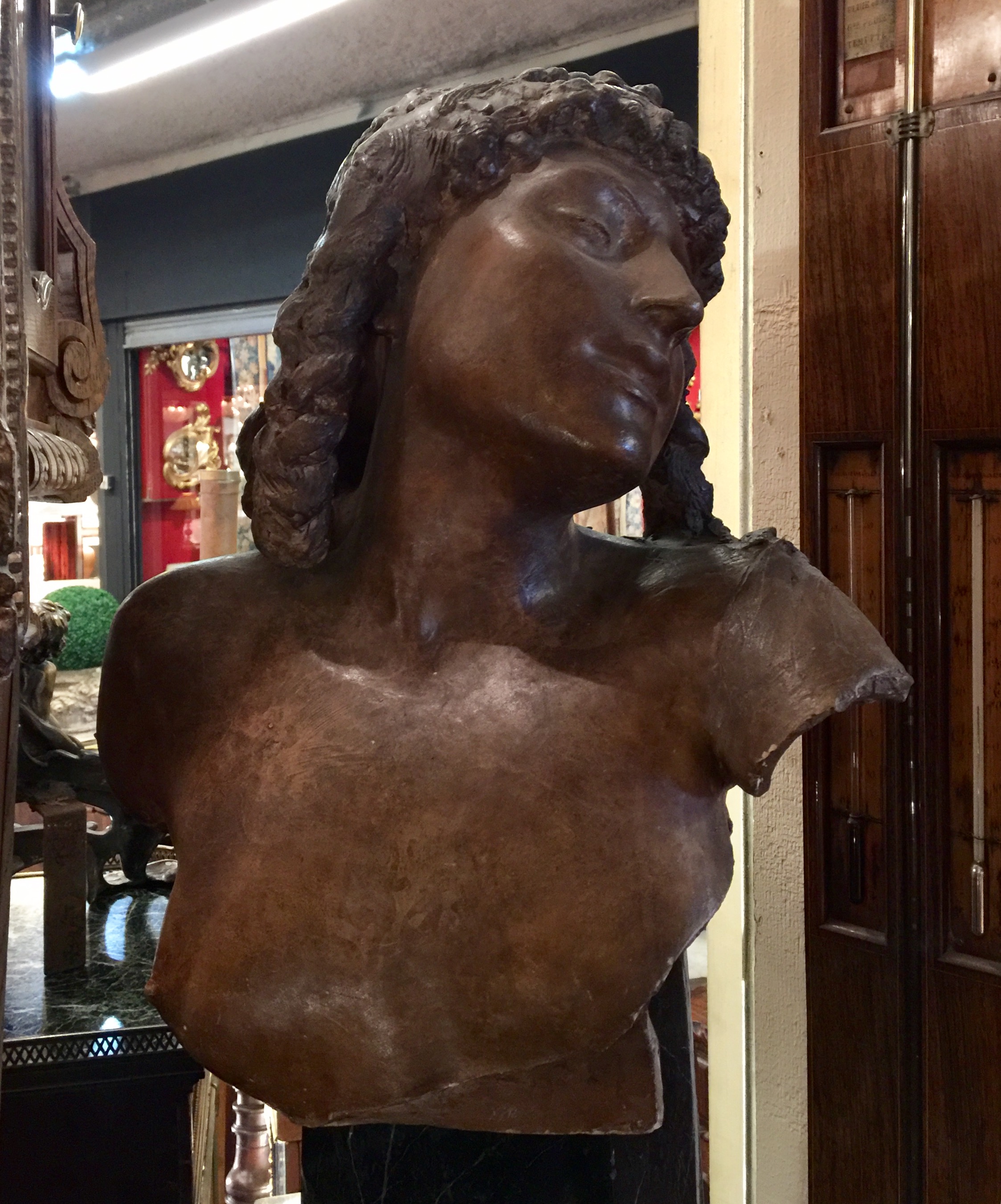
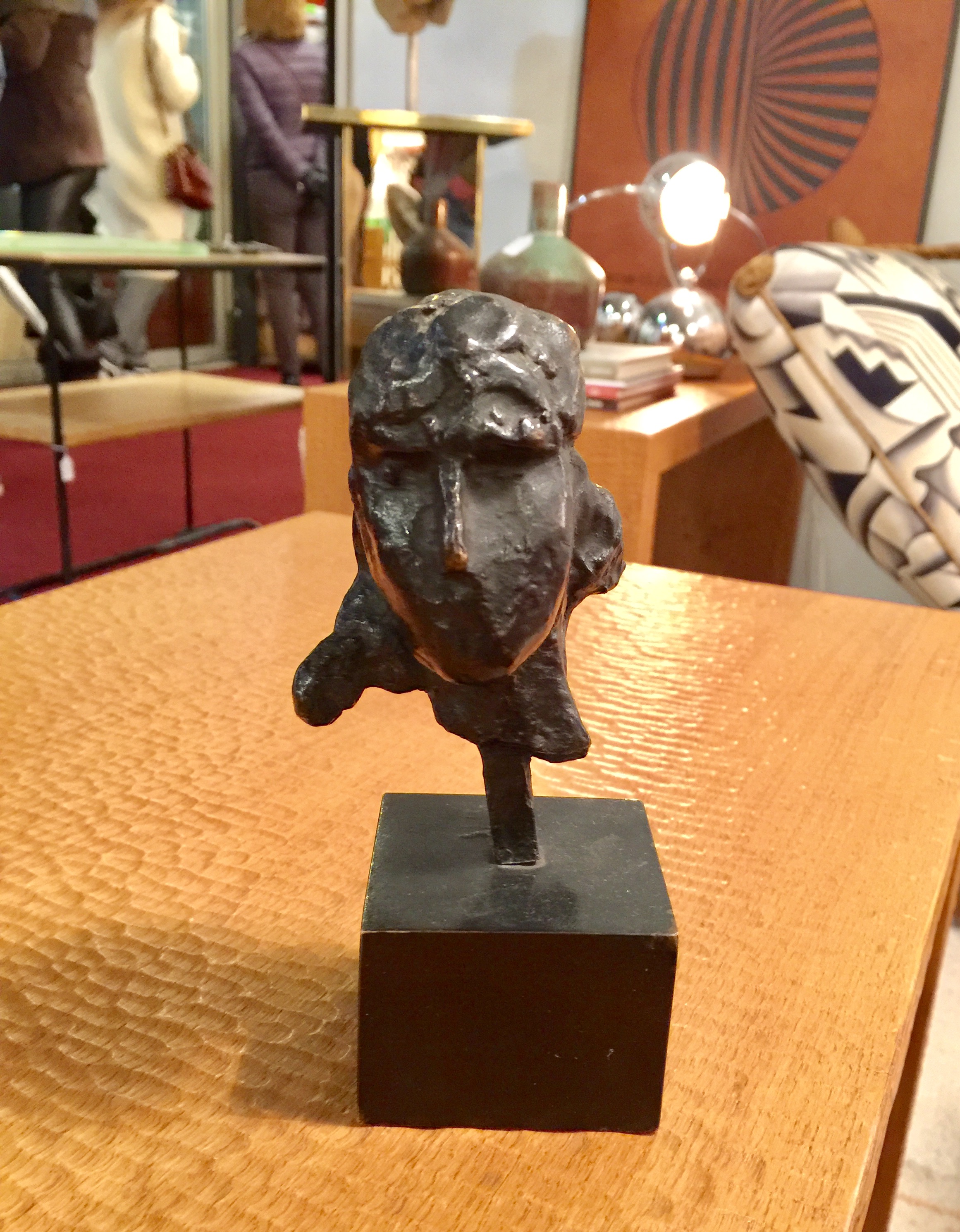
Moreover, artists, from the 19th century, will retain the recipe, and will use the gaps as vectors of emotions, as hidden messages '' In an art object we must not say everything, because we will have the air of taking the spectator for a being who needs to be told everything ": in other words, for a fool such were the words of the famous sculptor David d'Angers. Then some decide, like Barrau, to make the bust, already Art of fragment, an art even more fragmentary: it imitates the break, and thus ostensibly leaves the viewer the leisure to imagine the breast missing a kind of erotic void, if you want. Others, reduce the bust to the very essence of his nature : to present a face that one cuts off one's head! Does not the bronze figure mistreated by the artist Céline Chalem acquire more grace so suspended in the air, as swept by the wind? His fragile body undoubtedly flew
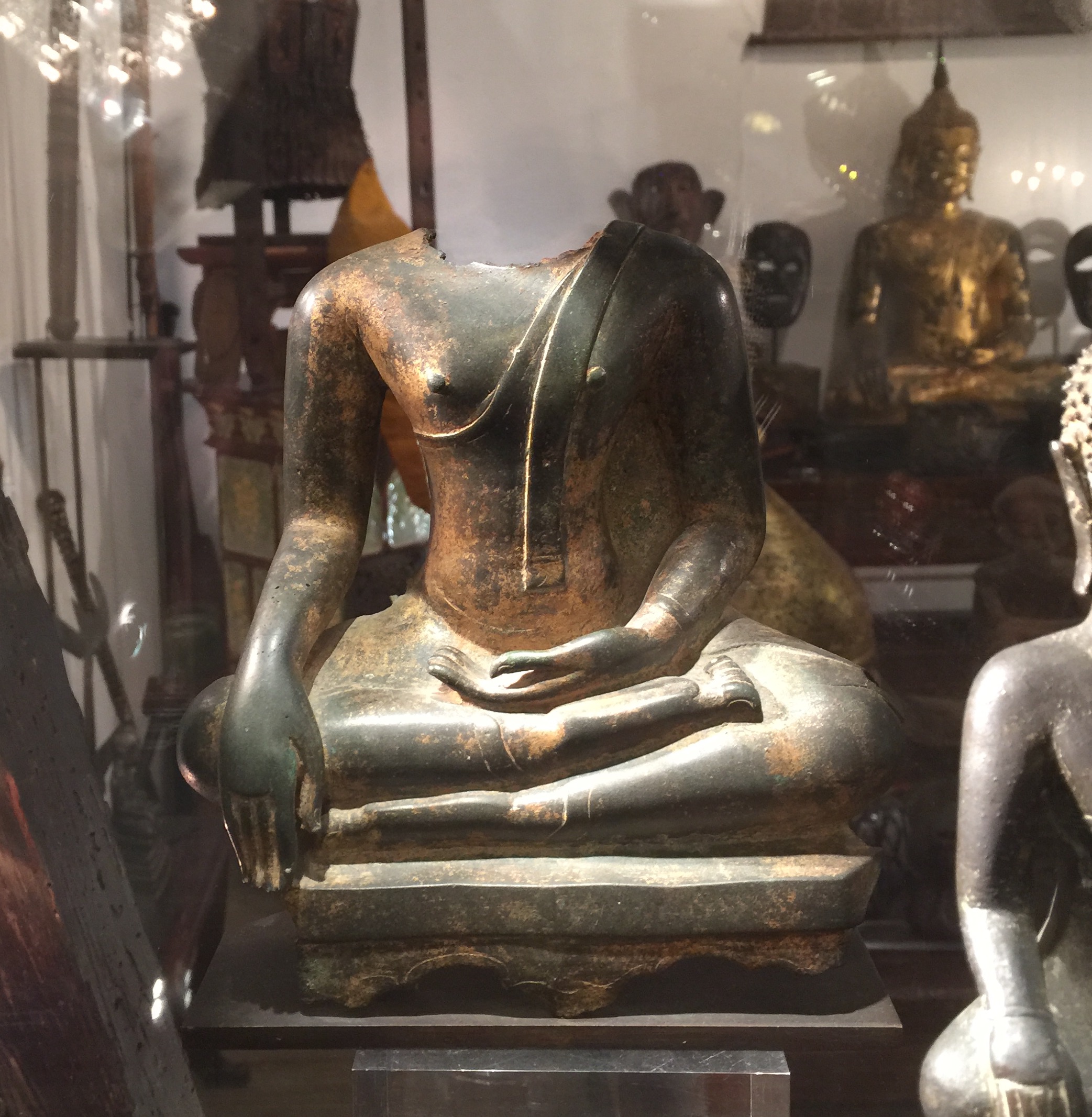
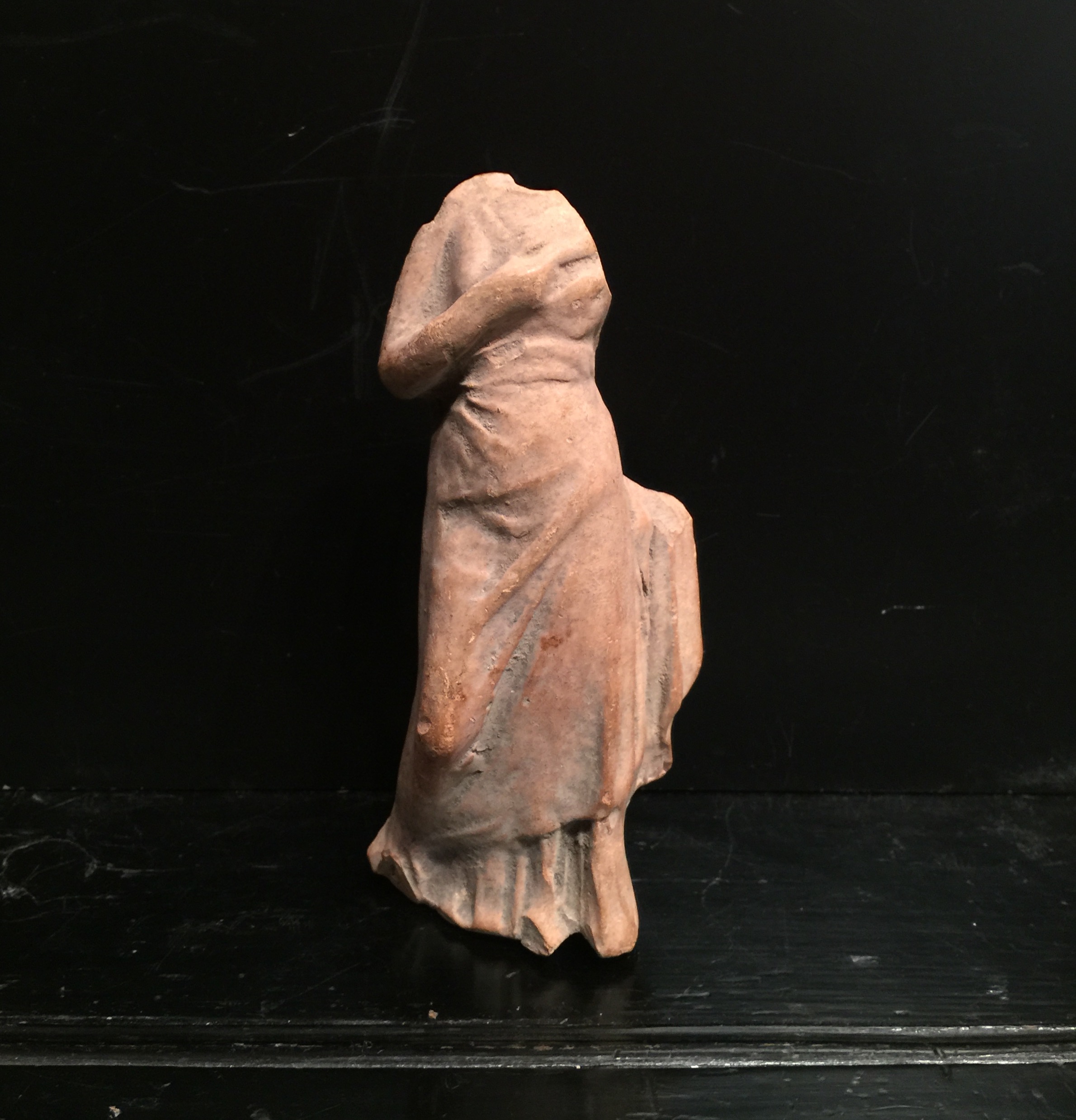
In the extreme, a sculpture, even without a head, does not necessarily lack the mind Whether the artist has decided it or not. The ravages of time have been right with that of our Tanagra, but the latter continues to dance obstinately. And if Buddha has lost his head, we continue to perceive, with every reason, the infinite wisdom of his face. Our eye visualizes the missing member. The break, the lack that it engenders, gives place to our imagination which nourishes it Its experience as much as of its culture. Our gaze reconstitutes what is no longer, as much as what has never been.
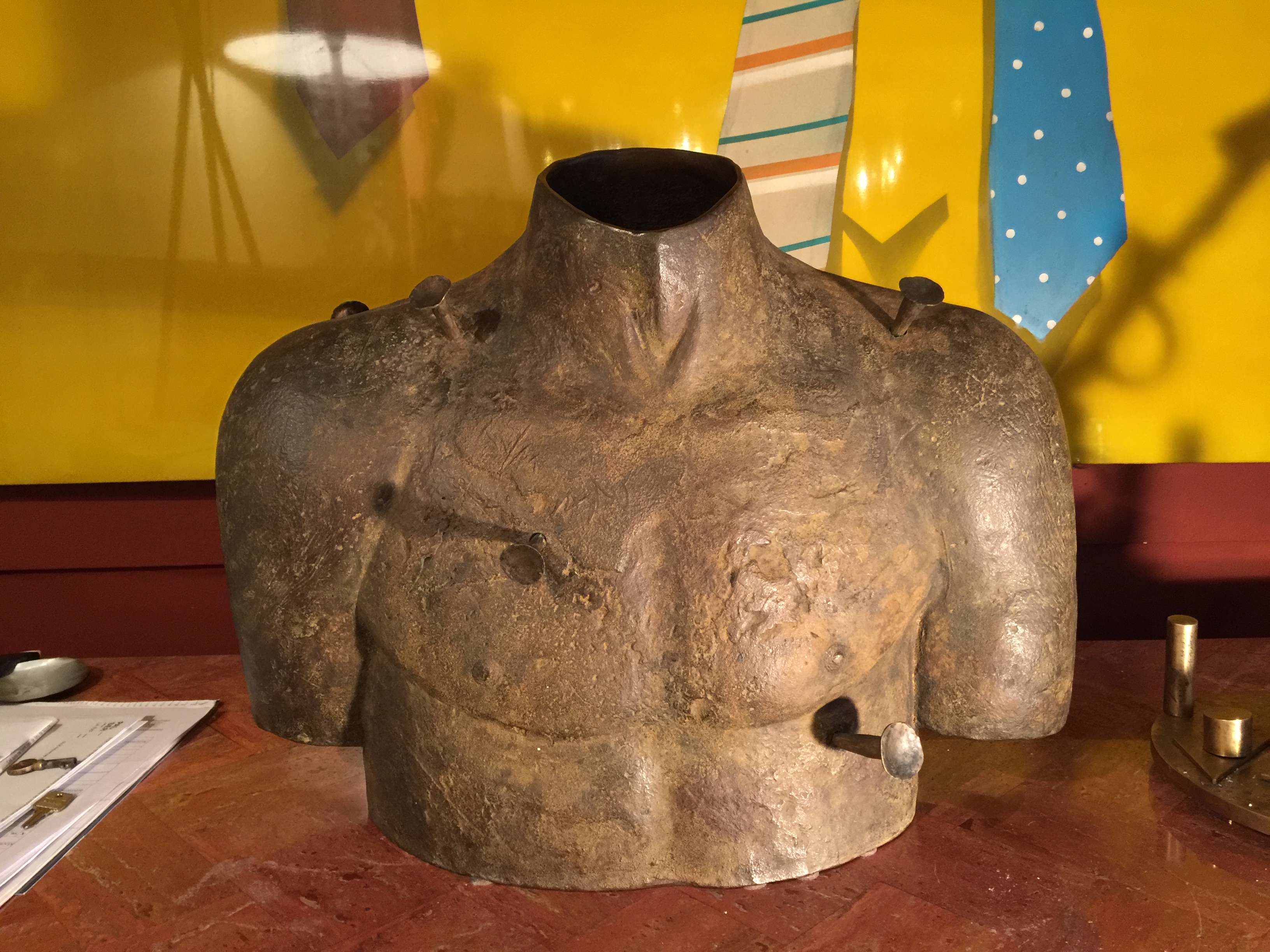
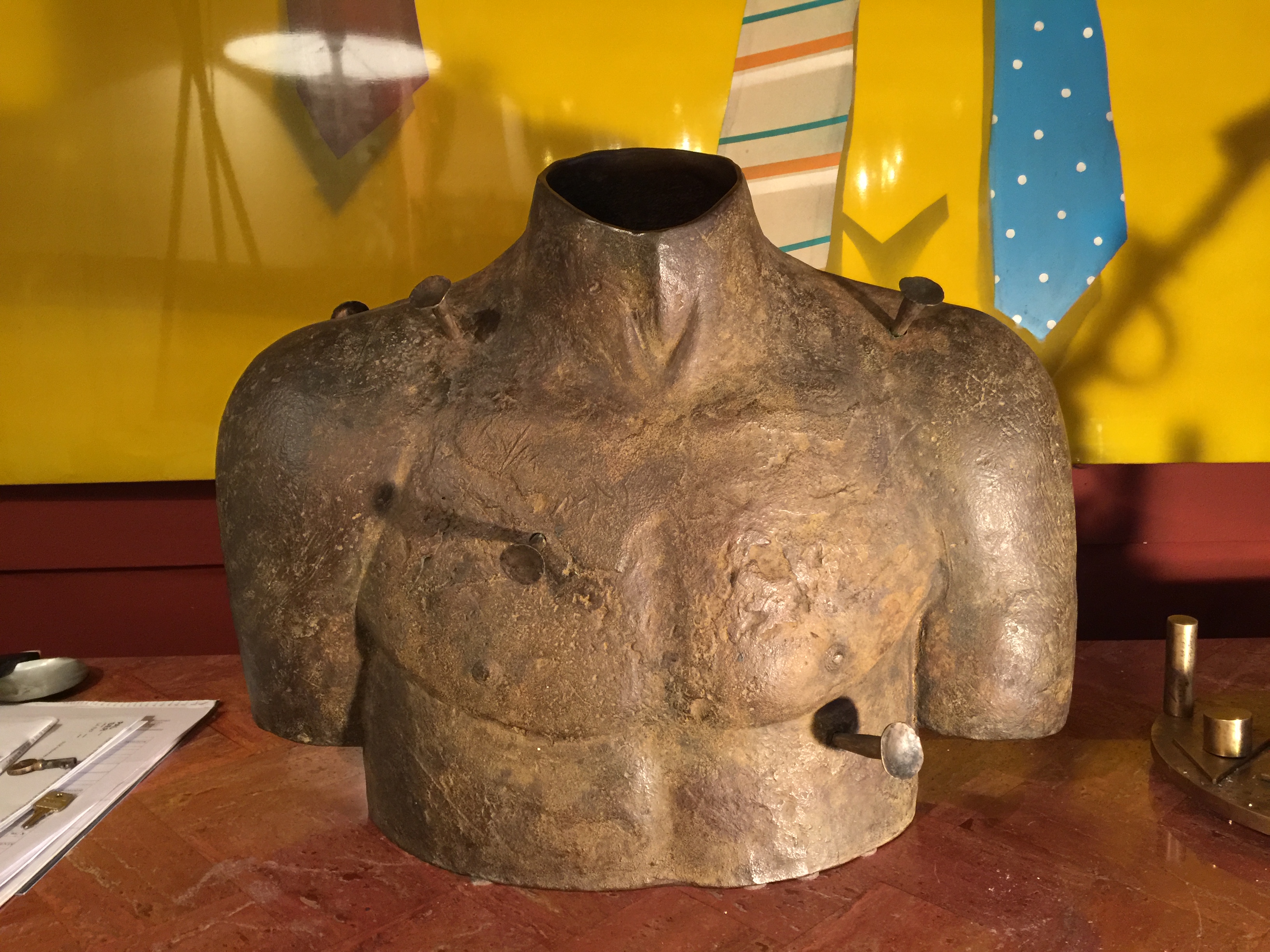
Jacques Cassiman around 1980 even took the initiative to support the suffering of a bust amputated by his leader by driving nails to challenge us in vain because the statue, even fragmentary, by nature, remains and will remain static. At the head, and the practiced eye guesses a placid face above the tortured torso.
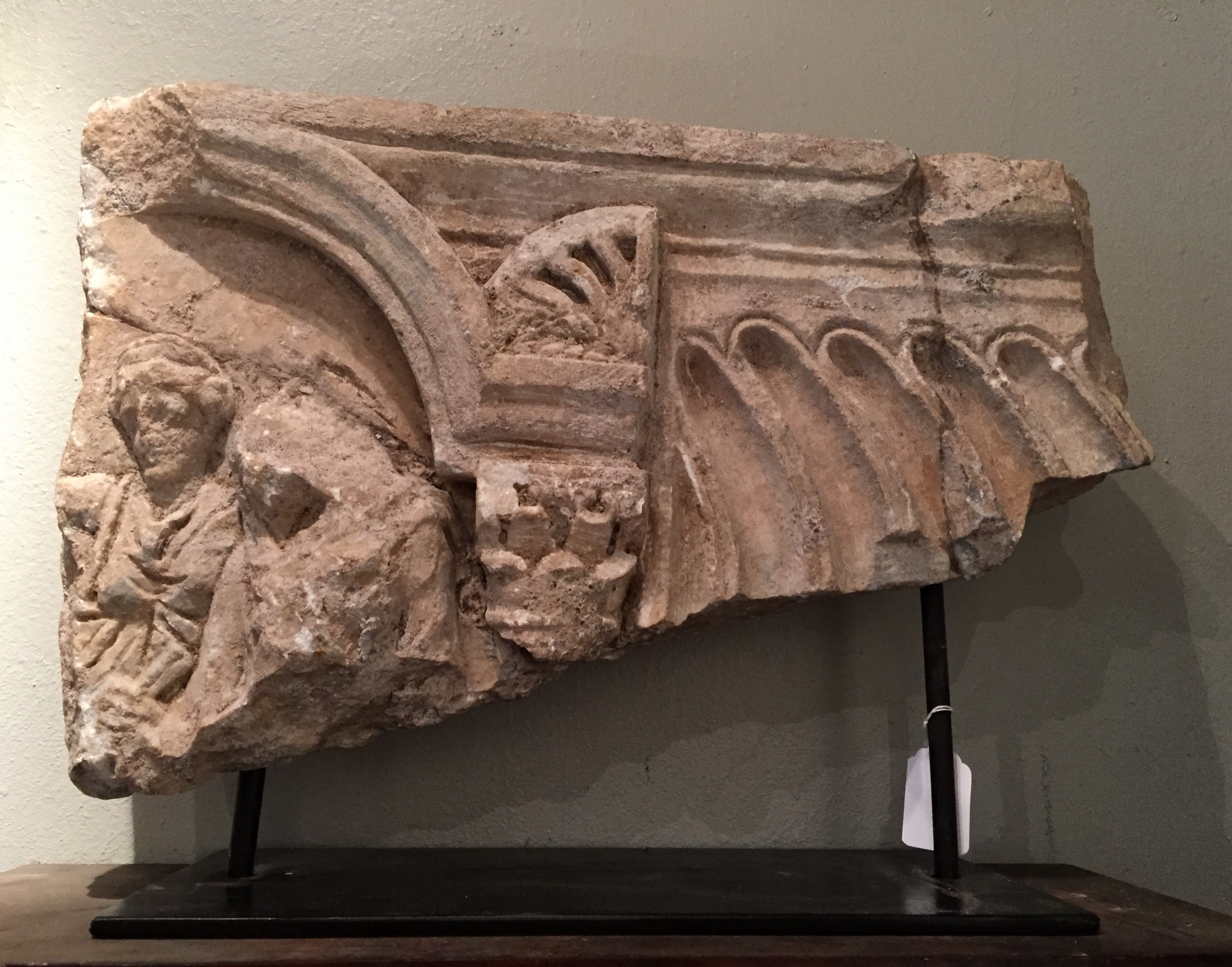
Thus we make ourselves without wanting to be architects of nothingness. This is undoubtedly why man has never ceased to integrate into the great sacred architectures that are the temples or churches of animated figures. It makes the link between the figurative and concrete world of Man and the abstract and spiritual House of God
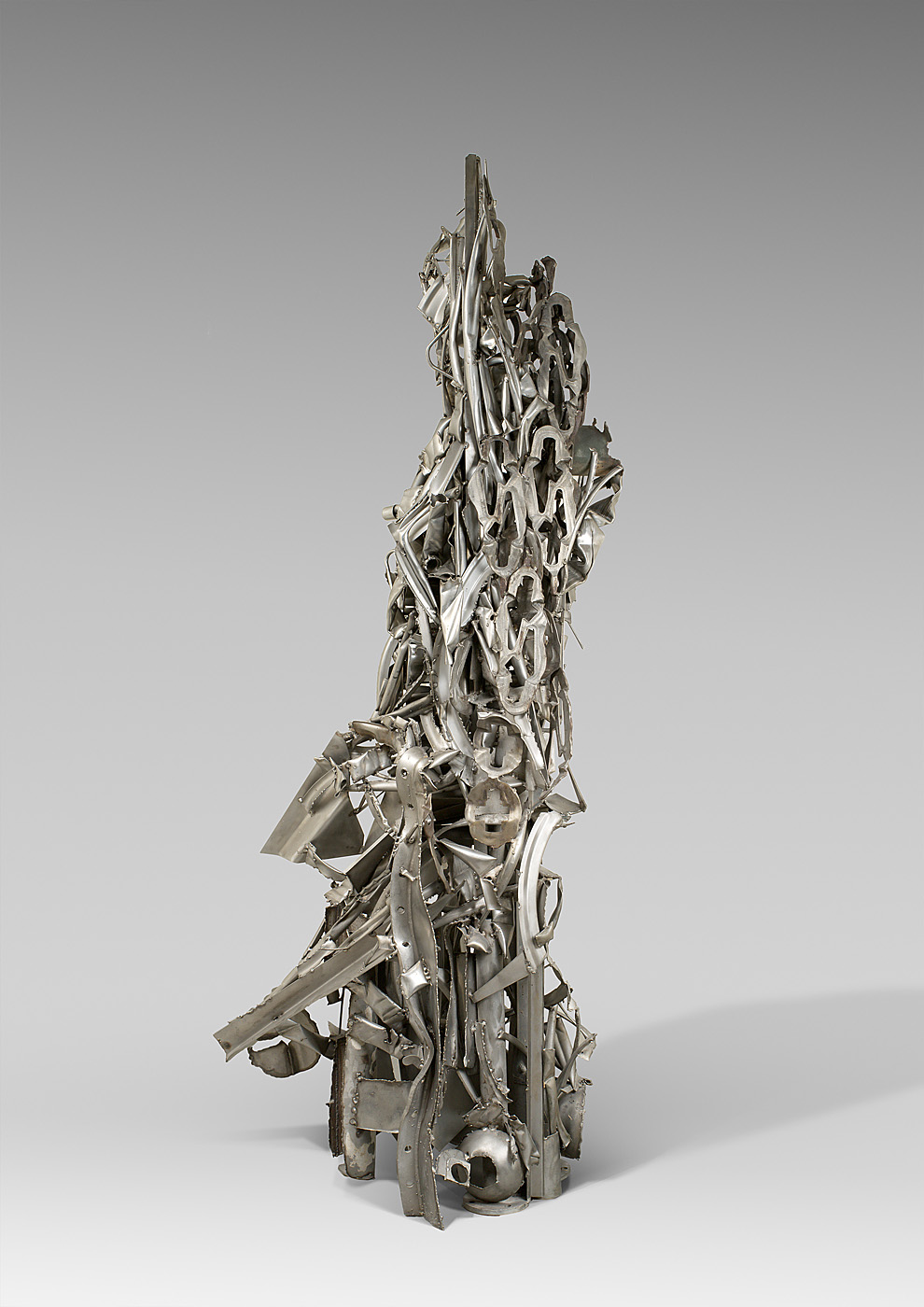
Nowadays, even artists such as Albert Ferraud, recovering fragments from industrial wastes, sculpt cathedrals, which seem as alive as a flame