Beauty
The animal is at the heart of our contemporary concerns, it invades the human sciences, notably with the media success of ethology; it fascinates philosophers and takes an increasing place in medicine with the development of psychotherapies (accompanied by animals). The man-animal relationship also interest politics, mainly around the notions of ecology and sustainable development. But the animal is also very present in museums as demonstrated by the numerous exhibitions dedicated to them: at the Museum of Decorative Arts (2010-2011), at the Museum of Hunting and Nature (Nov. 2011 - March 2012) , Exhibition on Gaston Fébus and hunting at the Museum of Cluny then the National Museum of the castle of Pau, in collaboration with the Bibliothèque nationale de France.
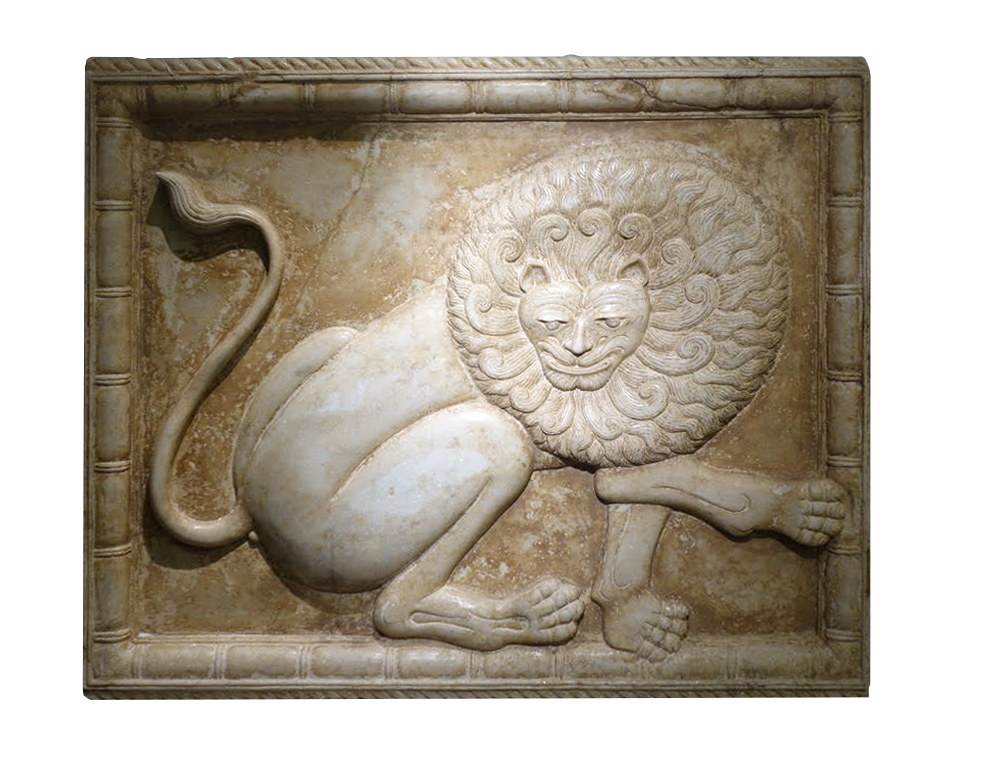
From the Latin anima meaning "wind, breath, breath, being alive, being animated, creature," animal representation is the first theme addressed in art. Still in the study, the animal represented testifies to the long and distant relation that unites it to the man, whatever the artistic form and in all the countries, gathering from the beginning a whole repertoire of the forms: naturalism , Symbolism, stylization, hybridization. Cave paintings of the caves of Nerja in Andalusia, which date from nearly 42,000 years of study, to the "balloon" dog by Jeff Koons, animals are ubiquitous in the plastic and decorative arts.
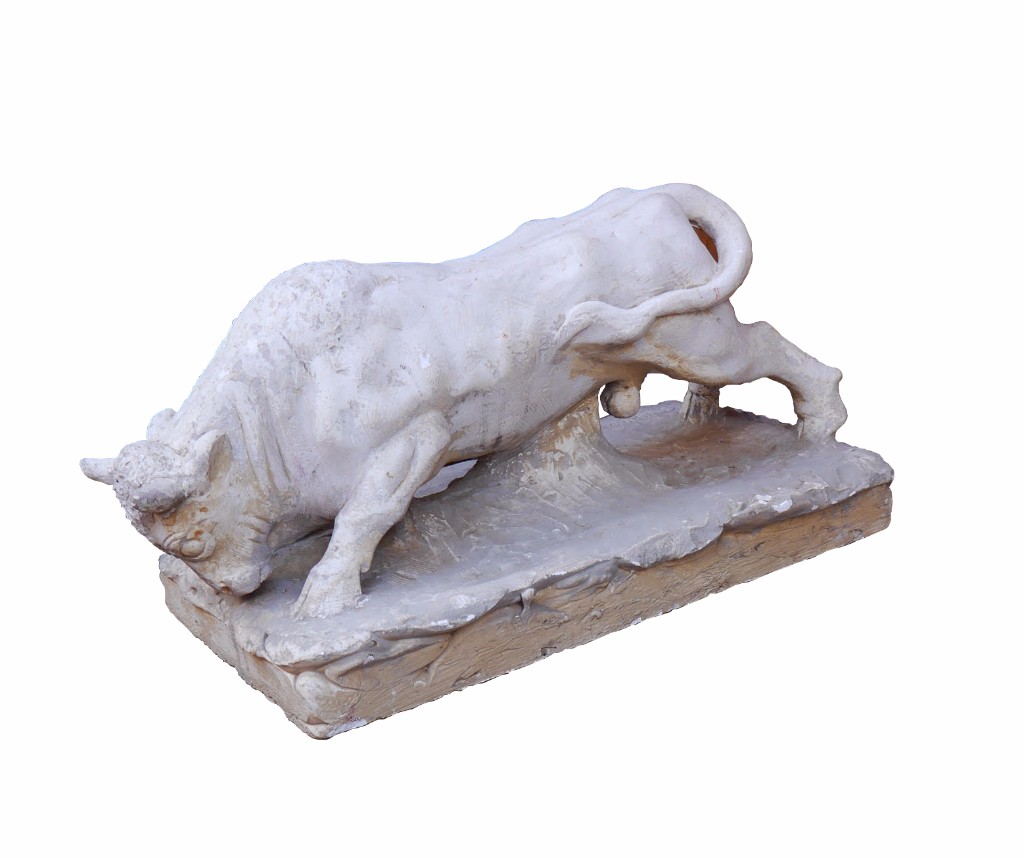
It is from the seventeenth century that the representation of animals becomes a full-fledged genre of Western painting. For a long time considered a minor, animal sculpture knew its apogee in the nineteenth century. The first exhibition of animal art opens its doors in 1912. This art requires a patient and sensitive observation in order to capture the correctness of the forms and the postures and thus "to detect the animal soul". Far from the fabulous creation derived from the medieval bestiary found in "The Garden of Delights" of Bosch, quasi-scientific study of the animal by the old masters such as Leonardo da Vinci with his "Study of horses" or Dürer and his "The Hare" opens the way for seasoned illustrators to whom Buffon will appeal for the plates of his "Natural History". Revisited by Picasso, then to naturalists of the nineteenth century, notably with the "Birds of America" by the naturalist Jacques-Audubon, thereby tightening the links between art and science.
The use of the iconography of animals is very diverse, varying according to time and place, but it must doubtless be omnipresent with its strong symbolic power, linked to the proximity of man and animal, source Fascination and fright. Companion, symbol or divinity: they form an original bestiary, with a thousand and one facets.