


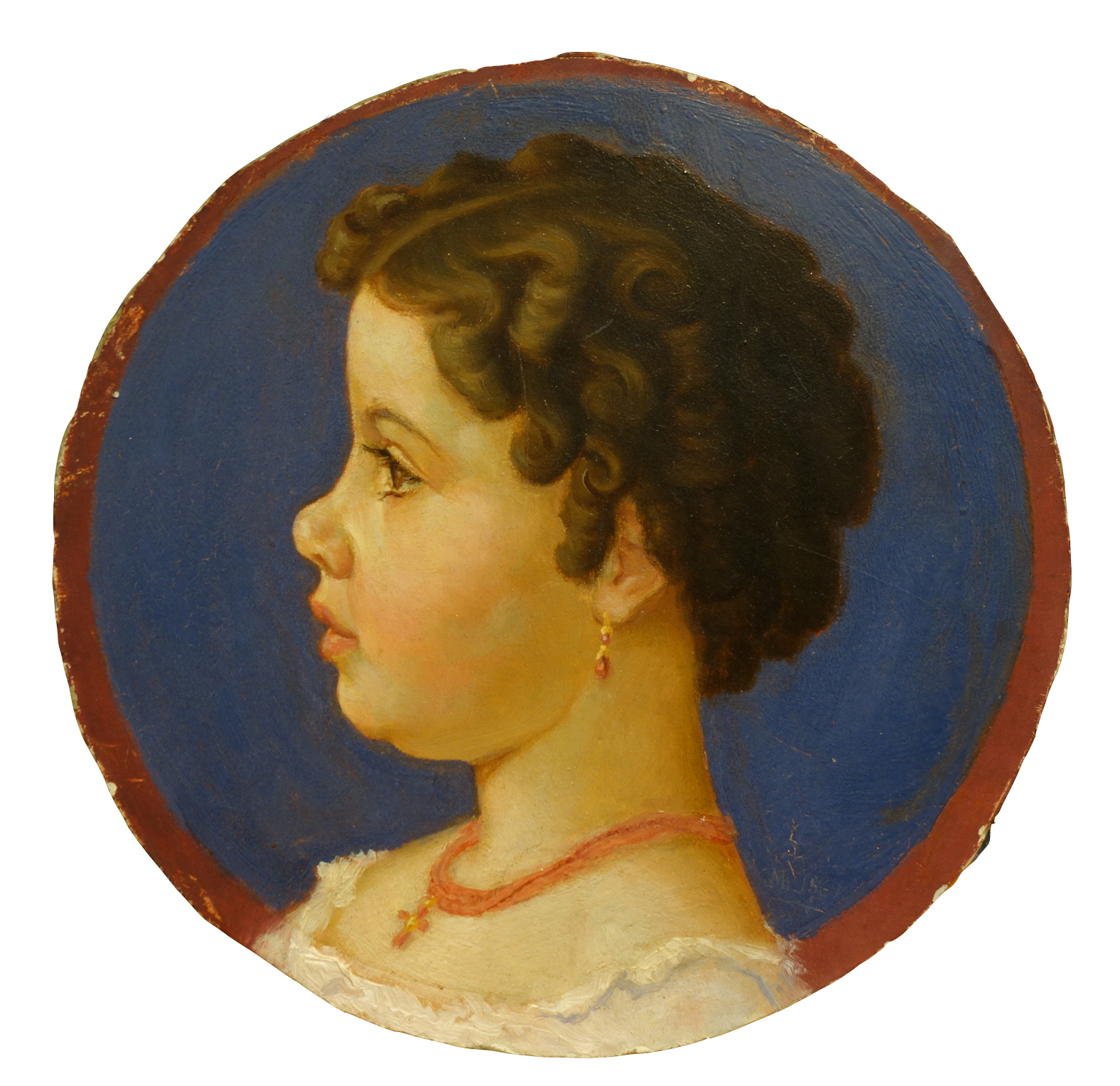
Since the Antiquity, children are represented by artists in particular busts, the child is represented as such, round cheeks, childhood ruffles especially on the chin, wrists ...
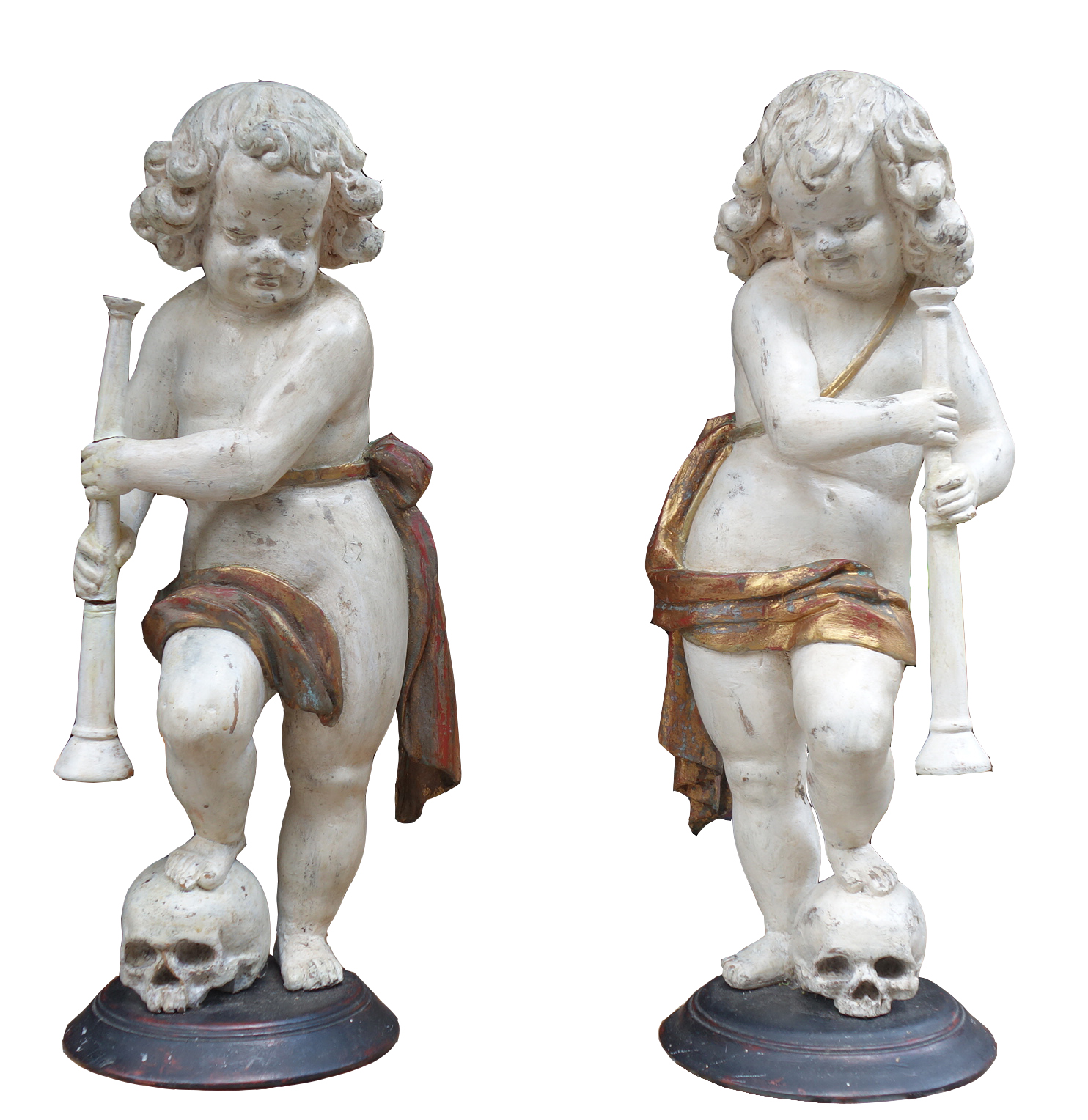
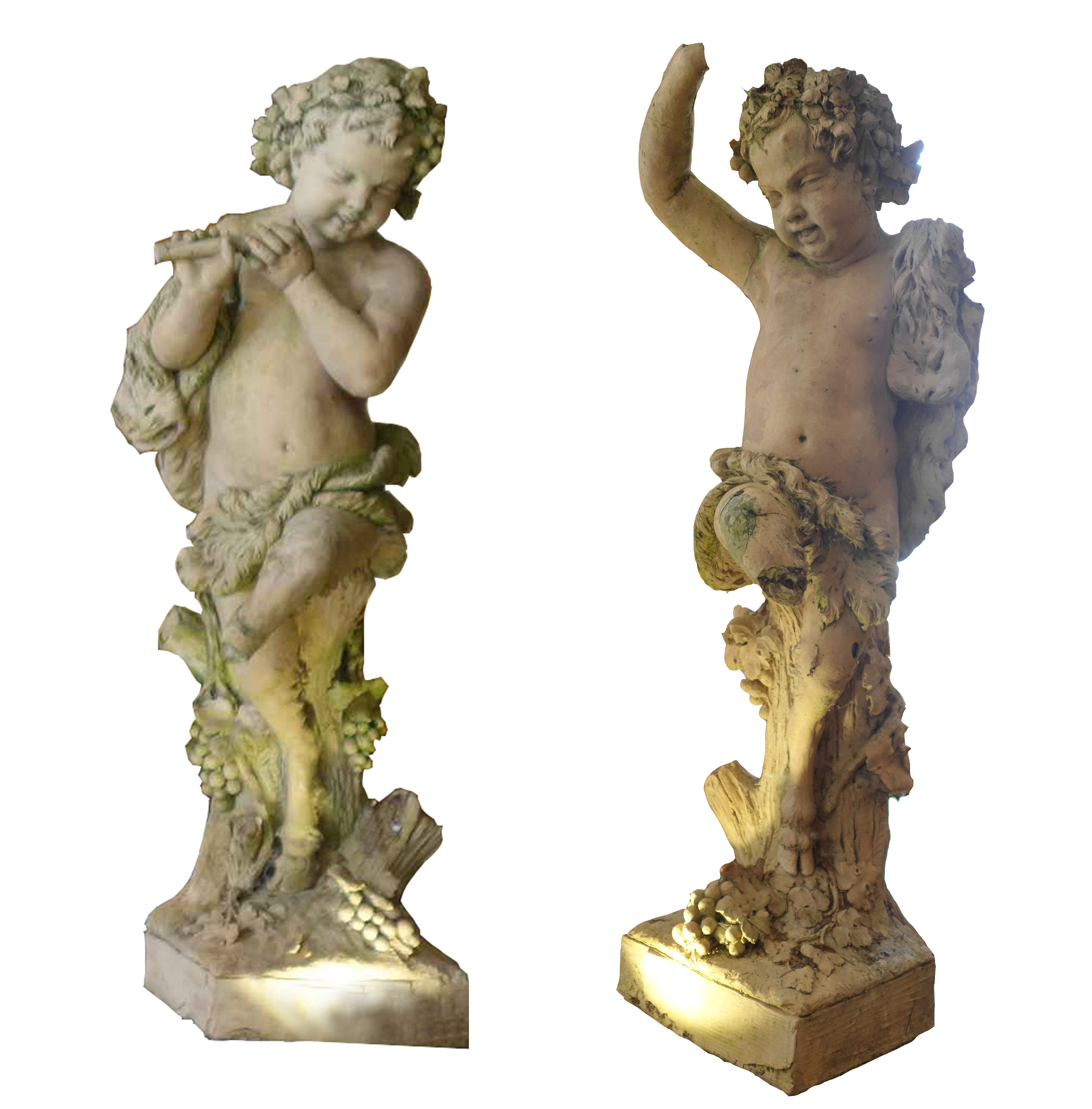
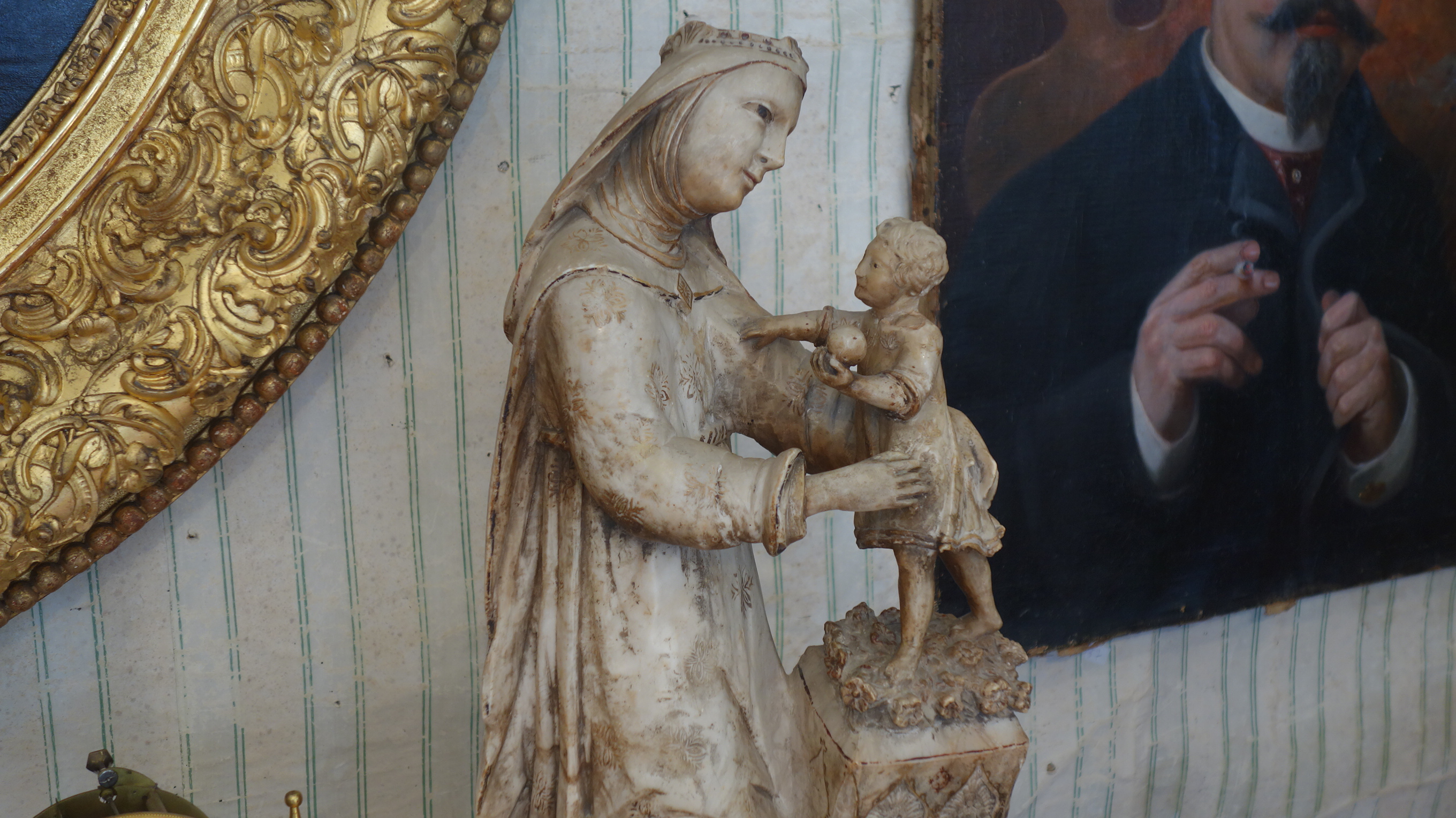
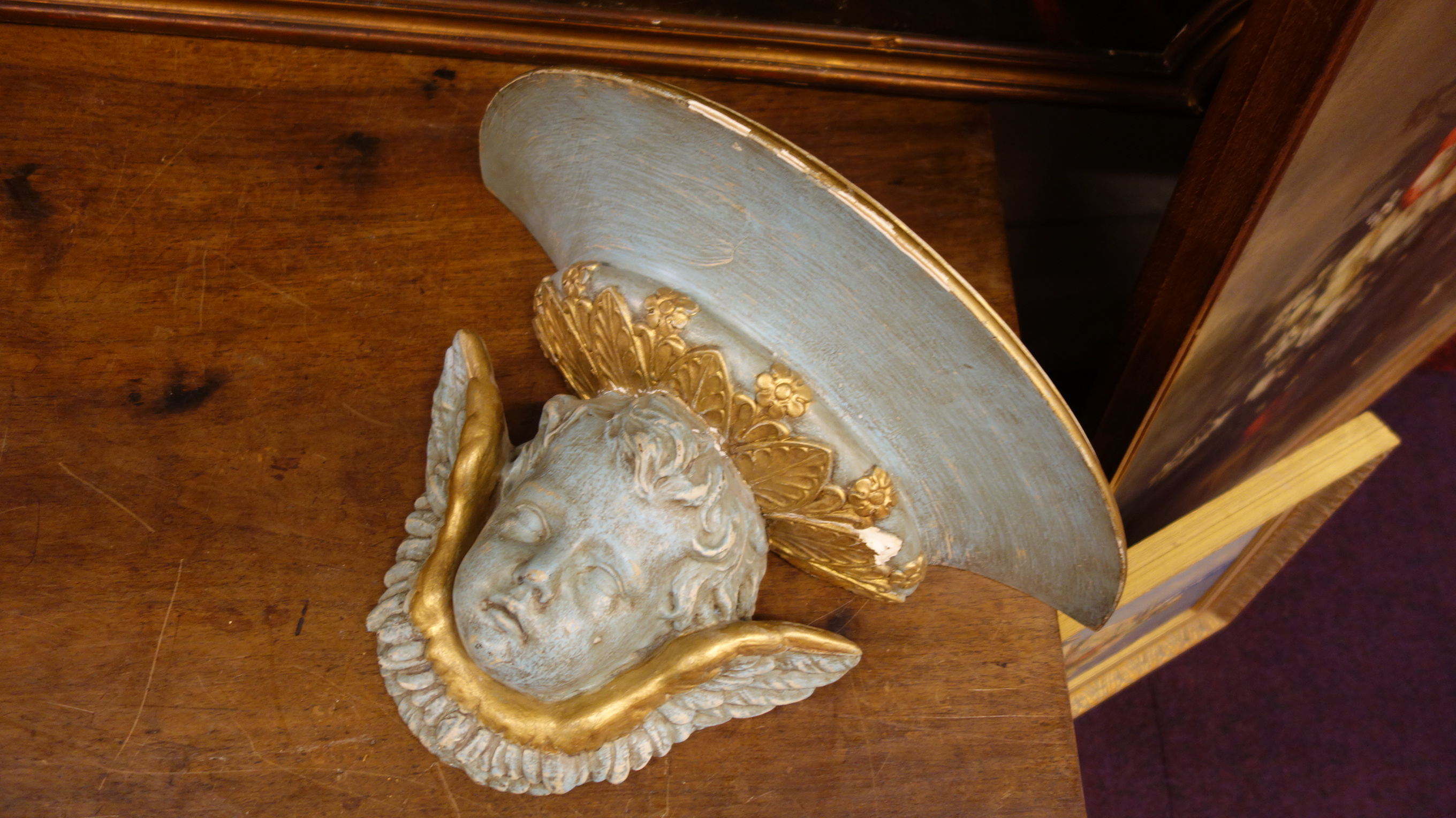
With the advent of Christianity, it is through the features of the Infant Jesus that the child is represented in the Middle Ages. It then takes on a sacred dimension. Gone are the childish features, the latter leave room for a more serious, more severe representation that leaves little room for innocence. When we observe the Virgins with the Child and the Pietas, Christ is more like a miniature adult than a child. To preserve these traits so characteristic of childhood, we must turn to the more allegorical representations with the puttis and the little cherubs who wear beautiful curly hair, roundness all characteristic and a pure look almost naive as for example on The ceiling of the Sistine Chapel or the sculptures adorning the tombs.
Under the Ancien Régime, the pictorial treatment remains very formal, the royal portraits indicate that the descendants are assured. The portrait, first of all, is that of the kings and the powerful, very conventional and immortalizes early the features of the sons of princes or young kings. Louis XIV or Louis XV are represented in their coronation costumes, in their role of monarchs even if they are only a few years old. The function takes precedence over the condition of a child, but these paintings remain very beautiful testimonies of the art of portraiture! The faces remain very lively, very expressive, the quality of the work of the artist nevertheless remains perfectly representative of his time.
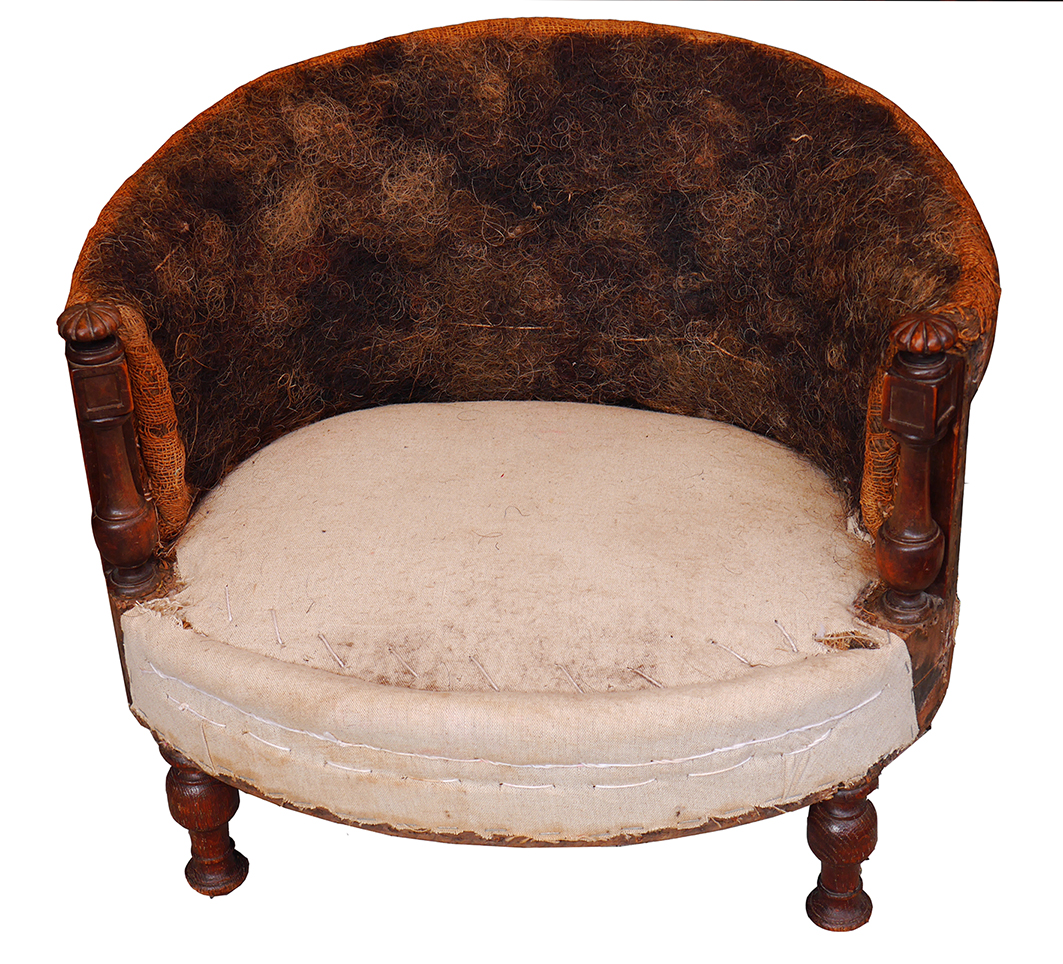
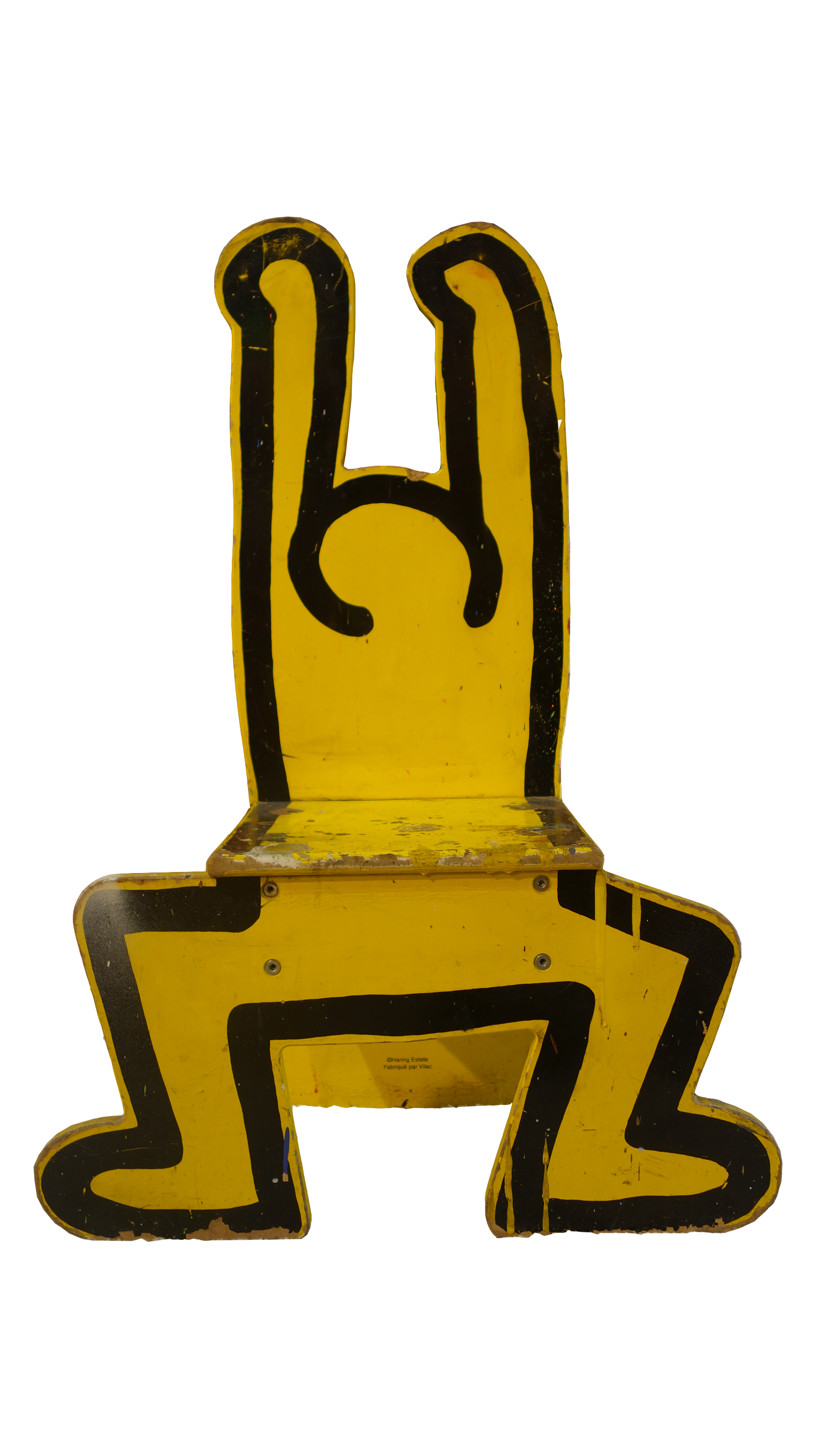
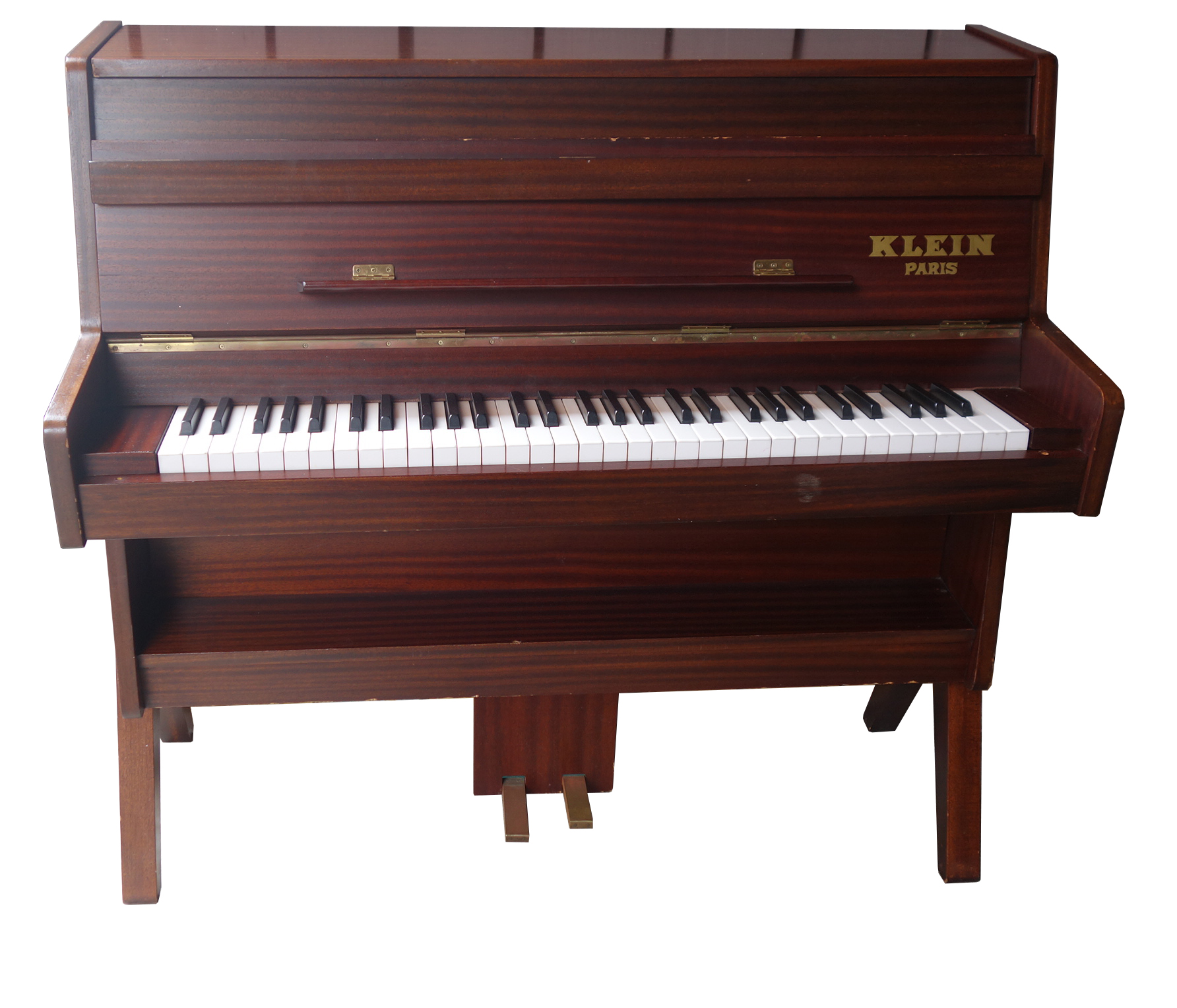
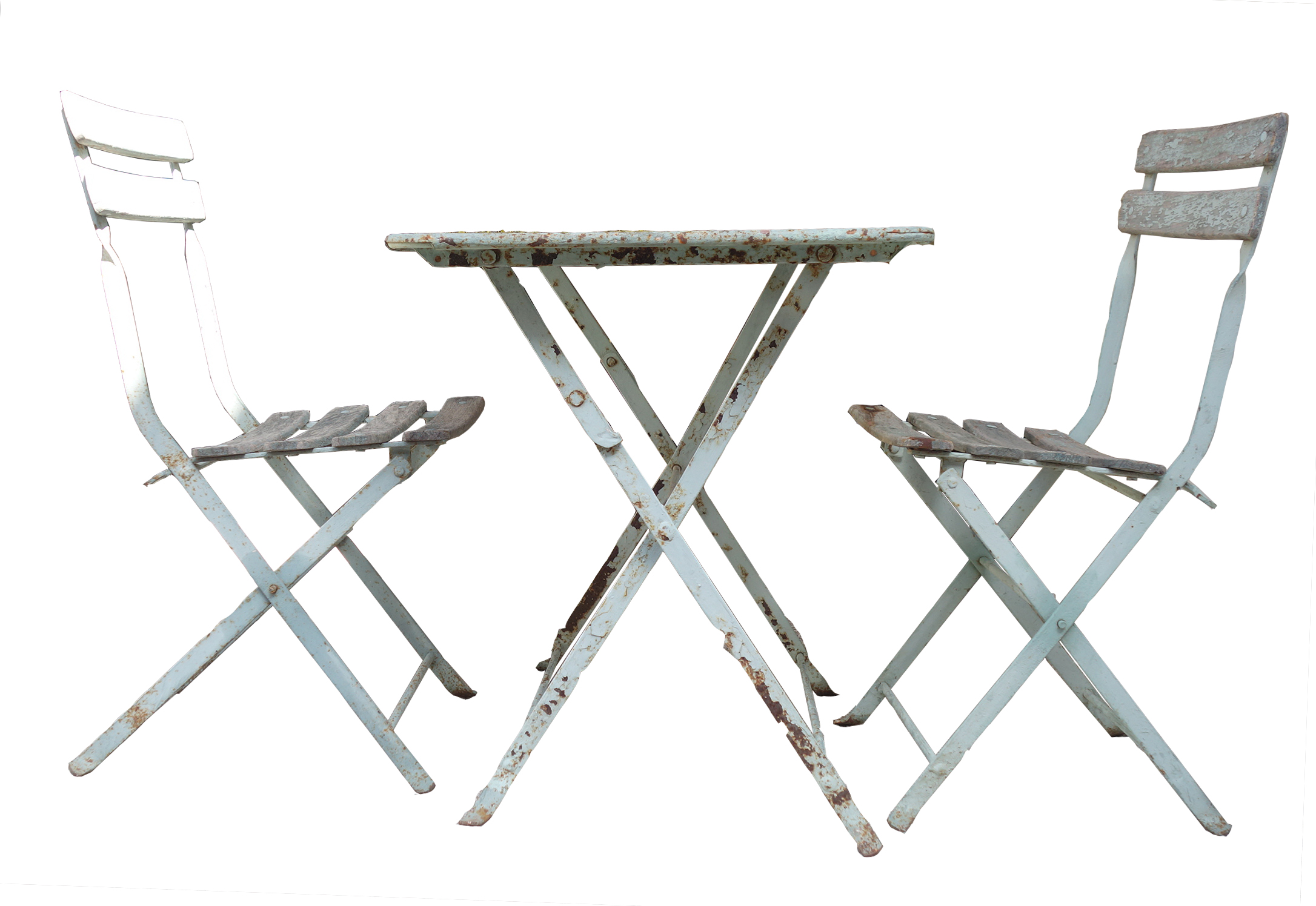
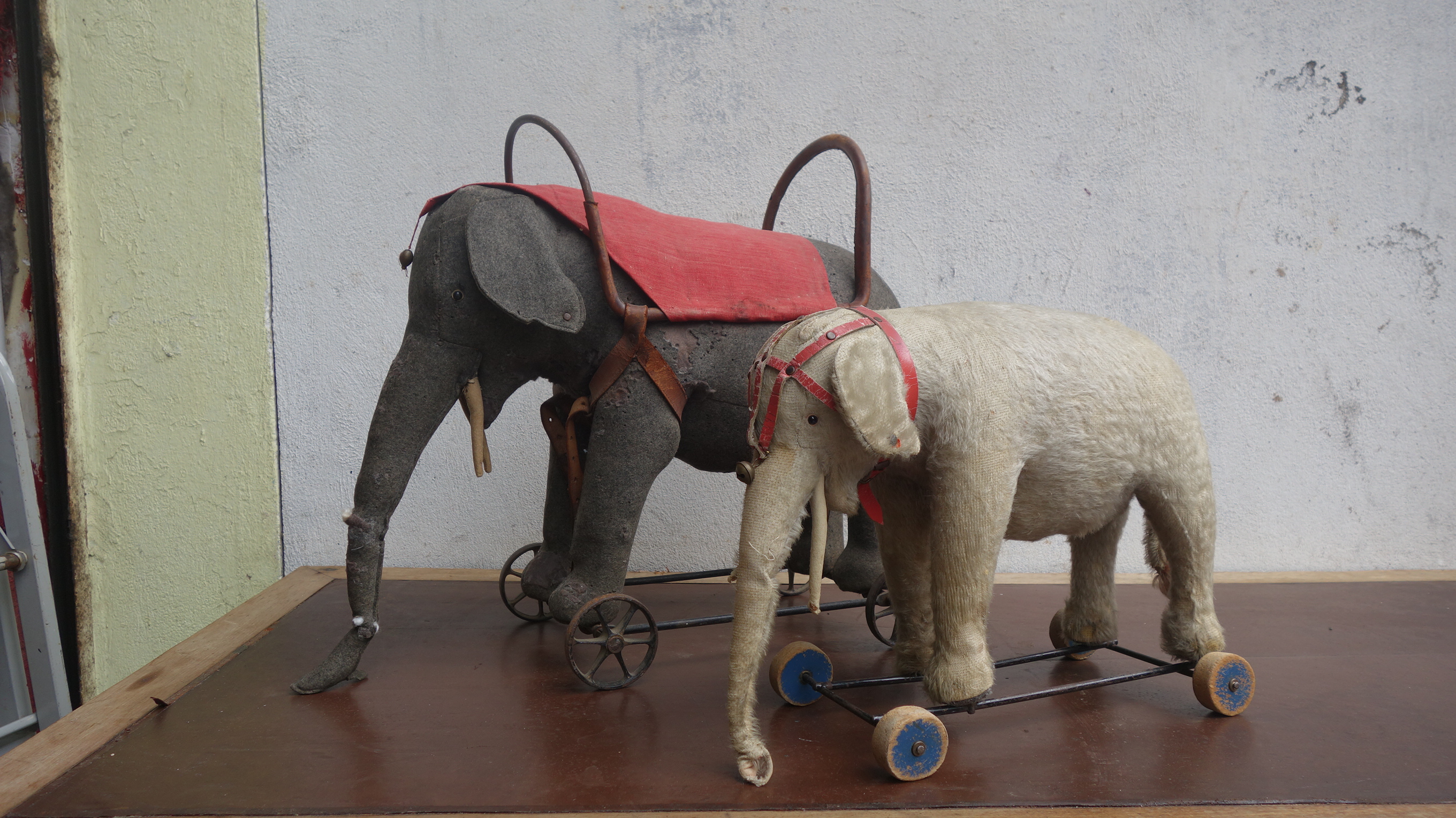
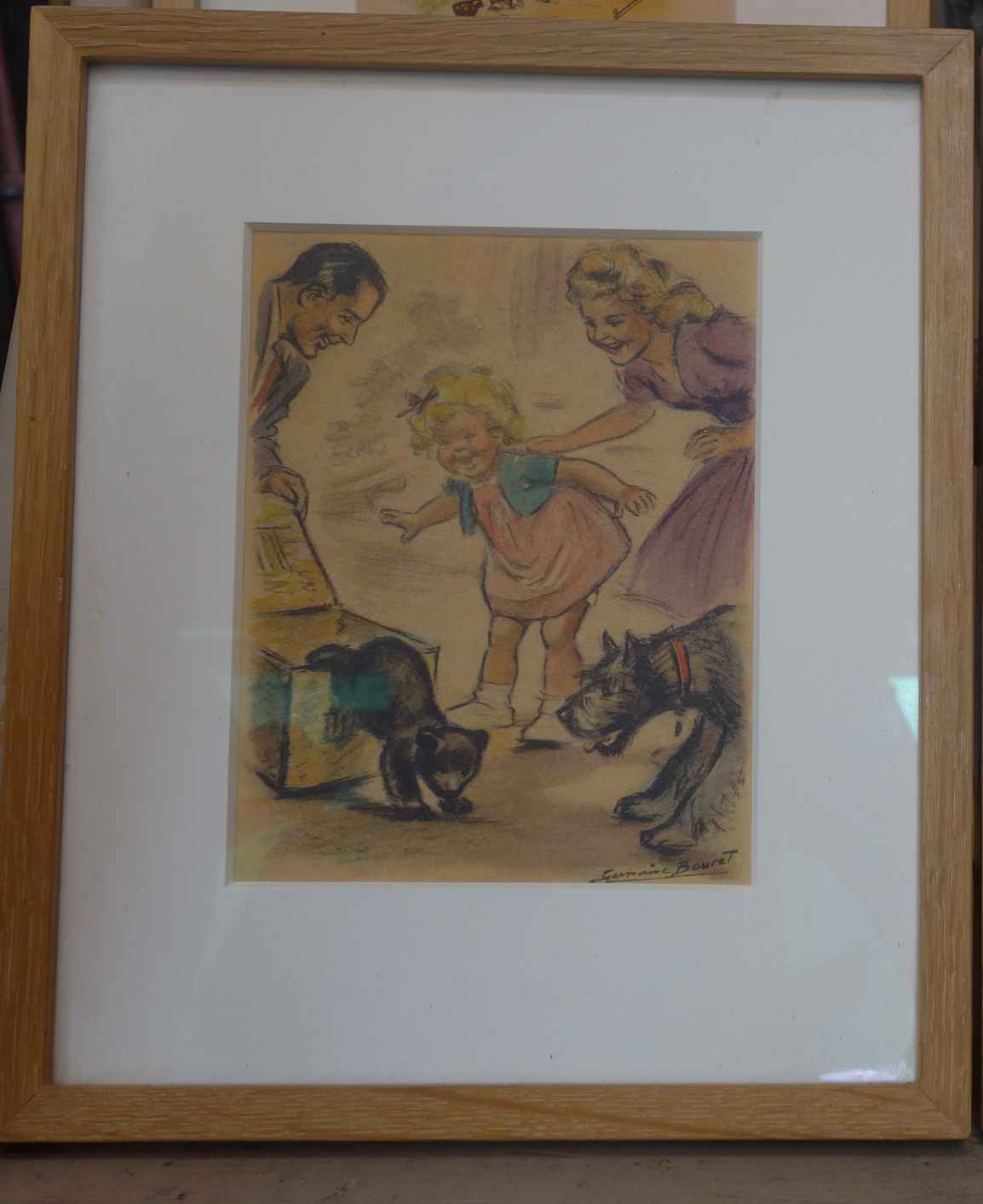
The nineteenth century, probably the apogee of the feeling of childhood. Family happiness is celebrated, for example, in the royal family of England or in that of Napoleon I. Thus, the mass distribution of the work of Carpeaux, the Imperial Prince and his dog Nero , serves imperial propaganda. Children took an increasingly important place in art in the 19th century. They are represented with their toys, wheelbarrows and dolls, which are wonderful witnesses to social and family life. The traits are personalized, they are represented for what they are through family portraits and photography. The child enjoys the climate of affection and tenderness with the gradual appearance of specific furniture such as small armchairs, furniture sets for the diets for example. The quality of the creation of the time is then put at the service of the children. The importance given to children is not only remarkable in the home, since they are the object of all attention, especially in the school setting, since specially designed furniture adapted to the small size students.
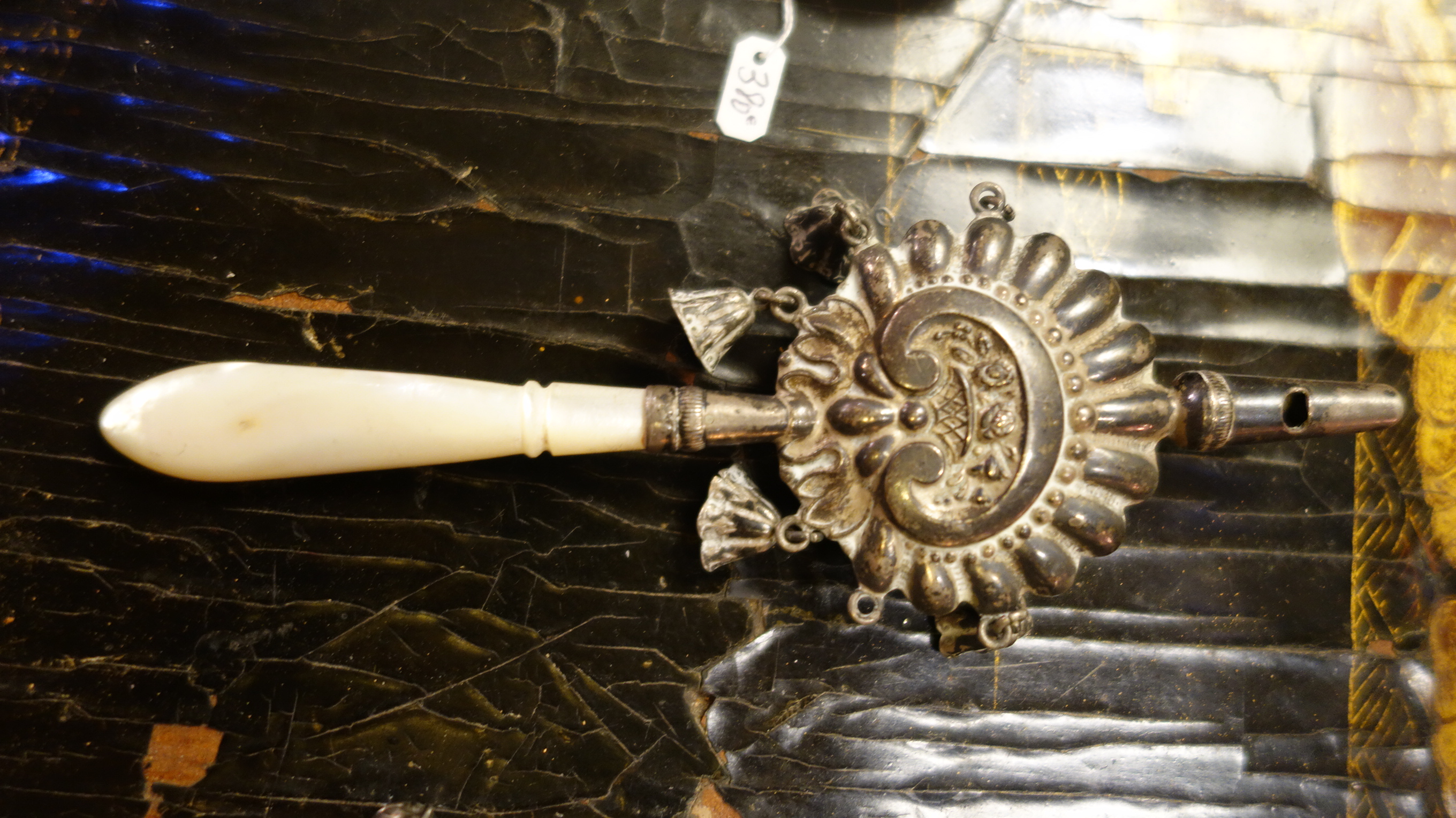
For the curious, history buffs or nostalgic, find our selection of objects made to Paul Bert Serpette!