


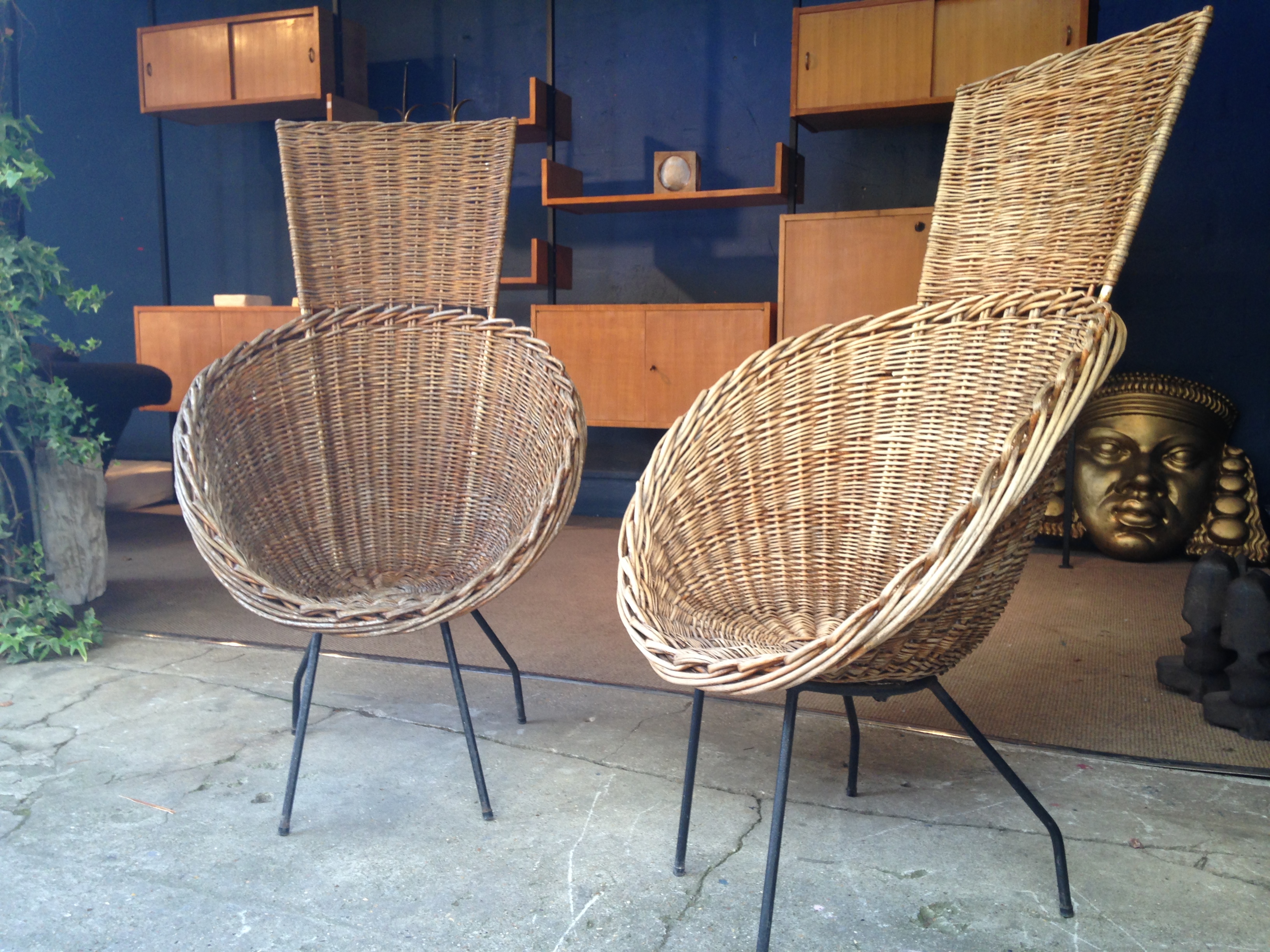
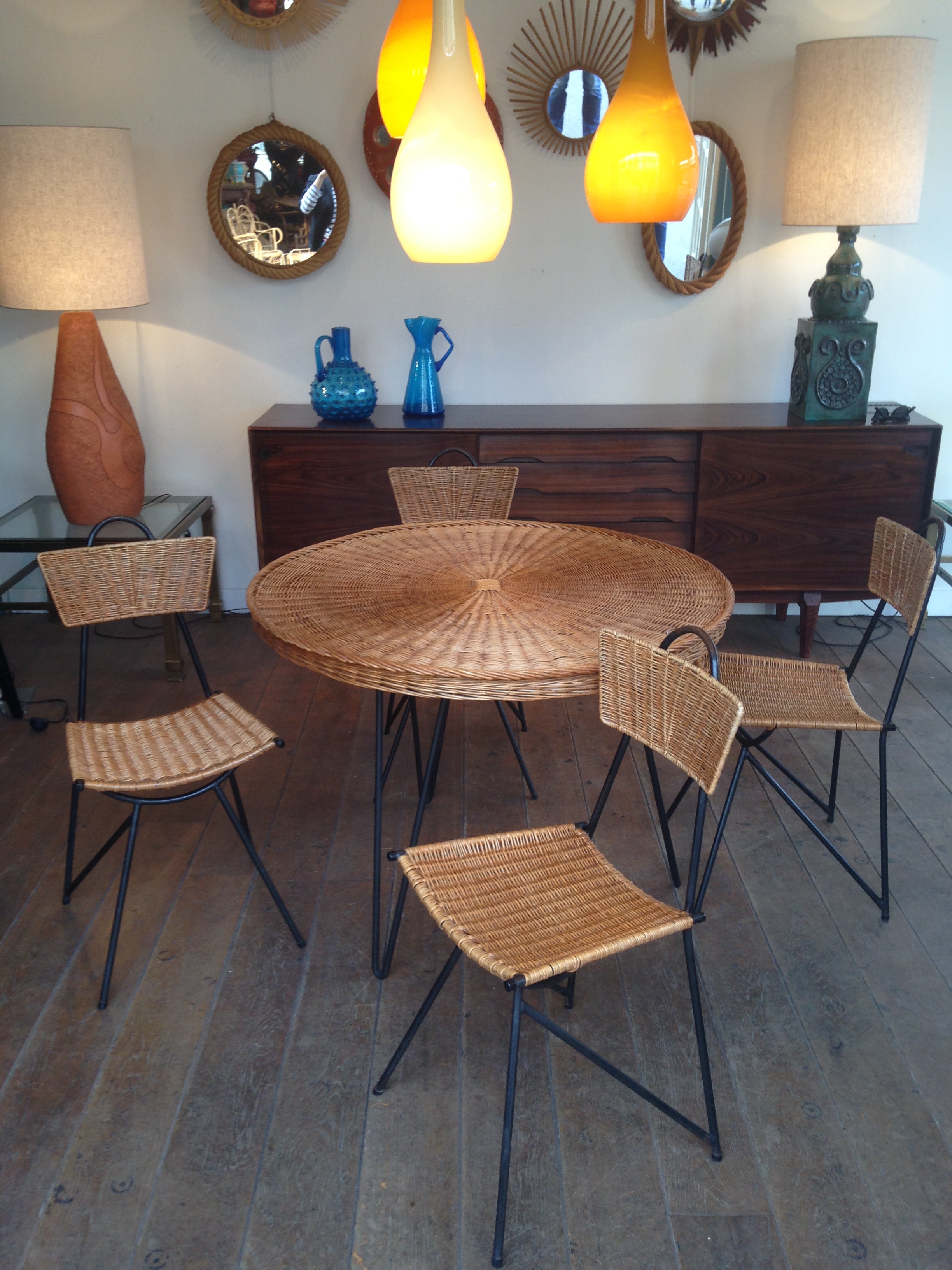

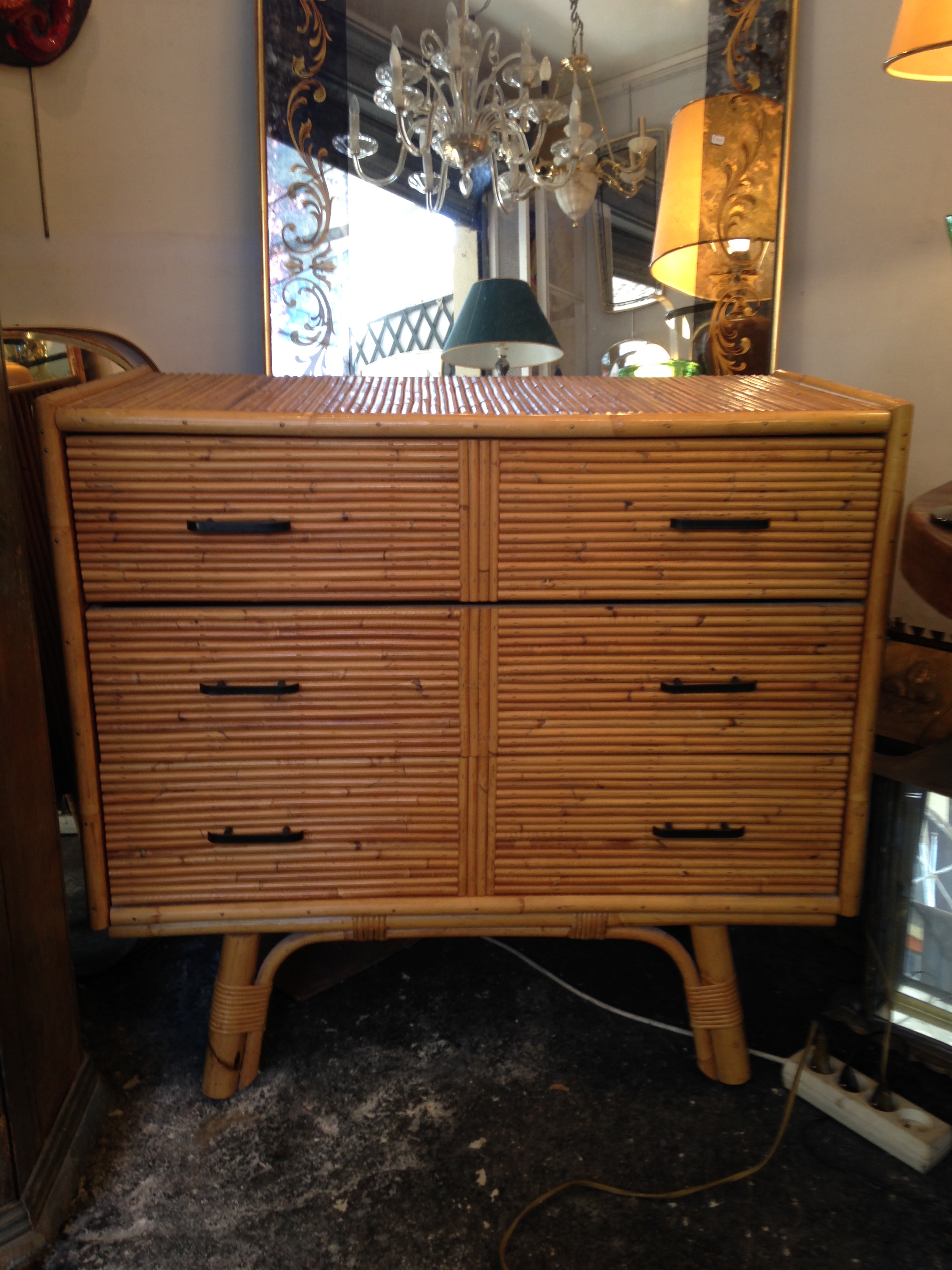
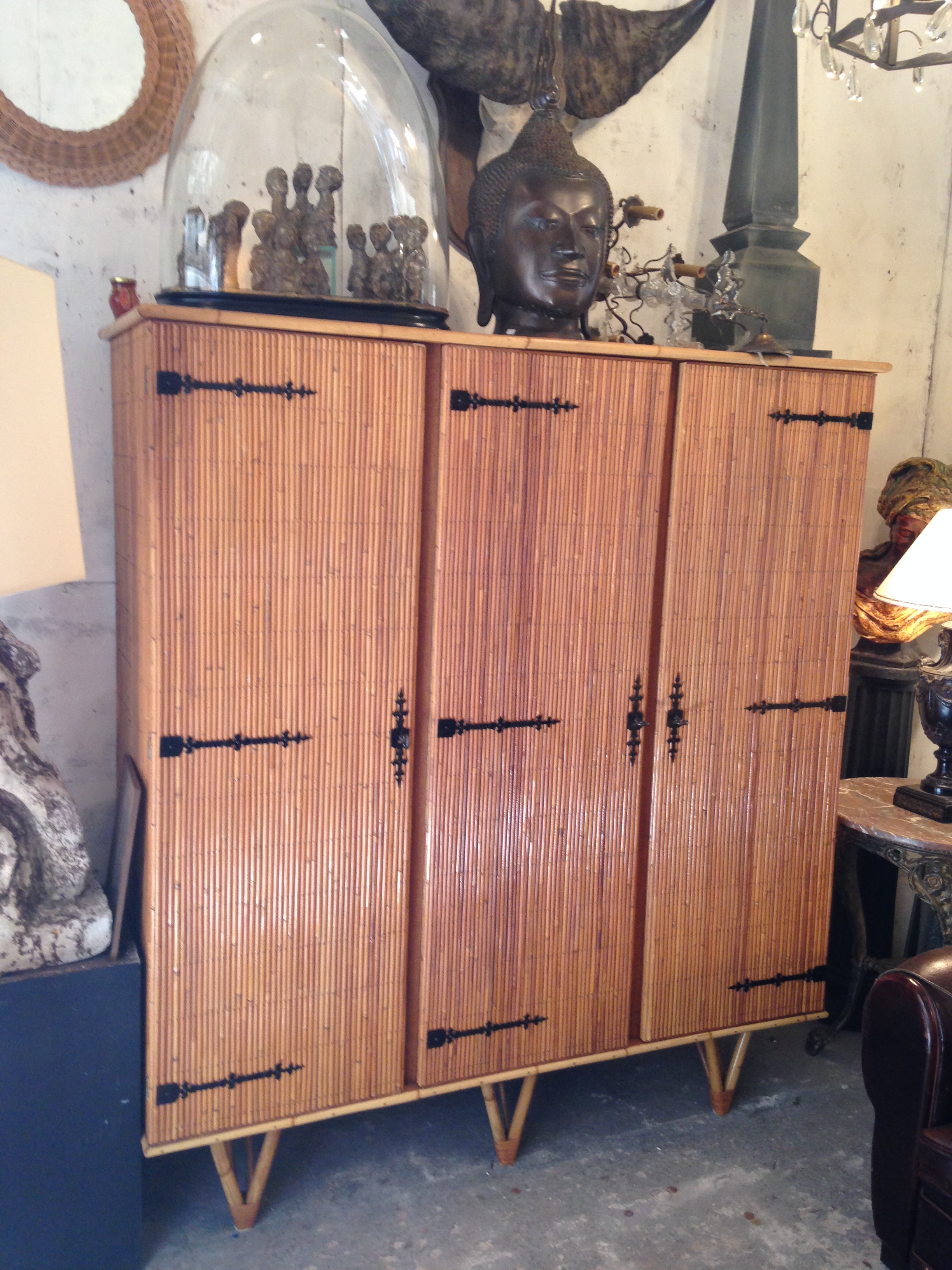
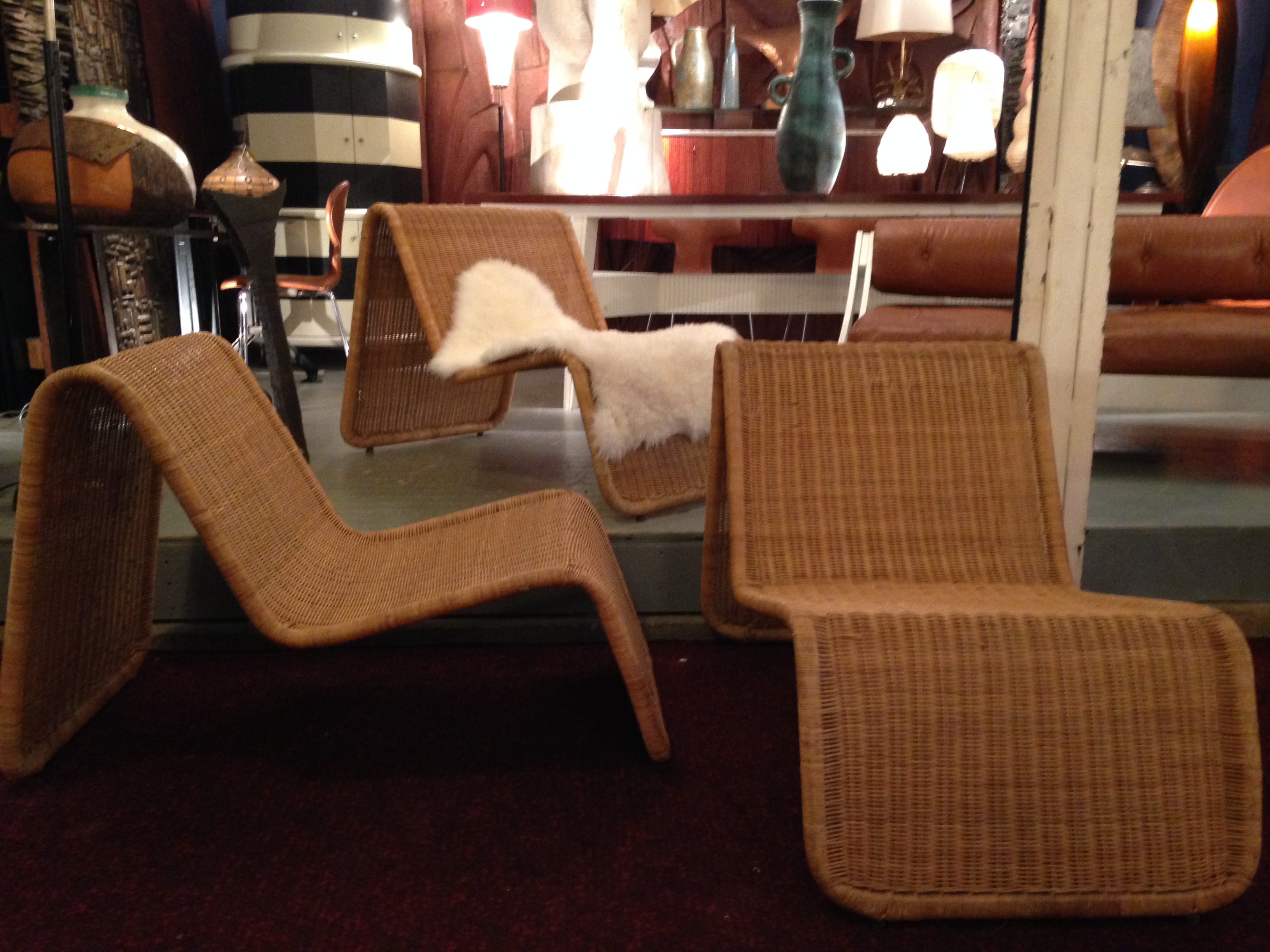
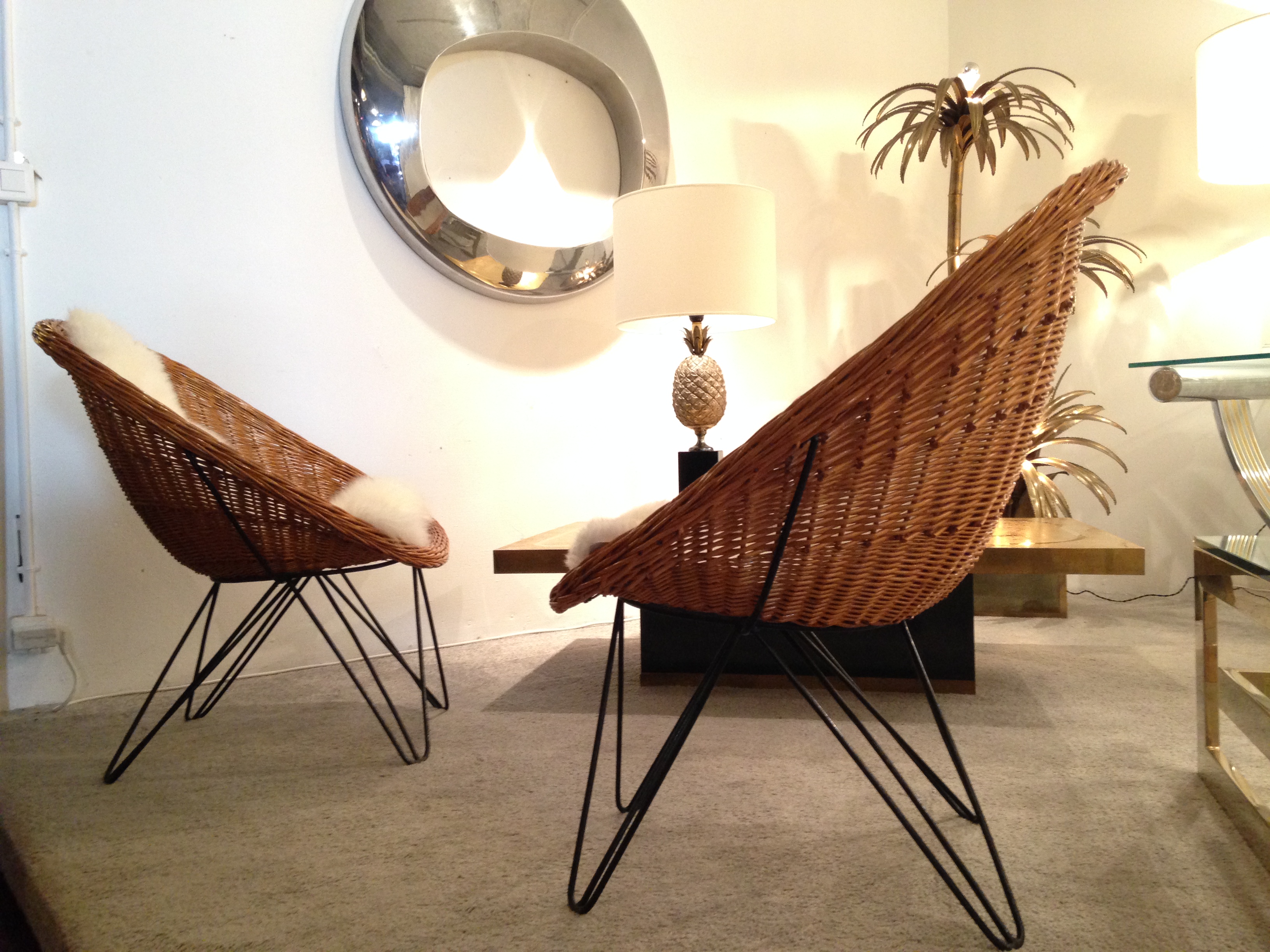
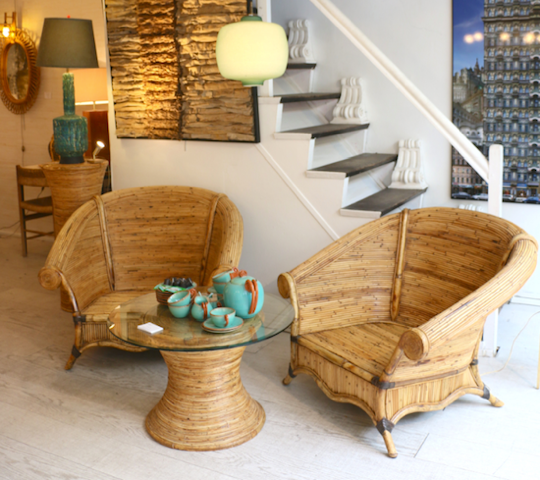

In these sweet and beautiful days of April, it flourishes everywhere. From the chair to the basket, from the mirror to the table, it invites us in our interiors, blowing a holiday and seaside atmosphere to the most Parisian of the apartments. The rattan, we have been familiar with it since our childhood. Whether it was with grandparents, in an aunt's secondary house or in our room, we have known him throughout our life. And as in any long relationship, have alternated love crazy and sudden disinterestedness. But do we really know this faithful companion? Is it known that he marries very often with bamboo, and is frequently confounded with willow? If it is generally associated with the 1970s, are we familiar with its much older origins? Before the summer, at the height of spring, it's time to learn more about this plant that dresses the booths of Paul Bert Serpette.
WINTER GARDEN ... Remember this scene in Coco before Chanel where the dressmaker and His friends take tea outside sitting in an incredible rattan set. Unlike the actors, table, chairs and armchairs were authentic, from the shop of Laurence Vauclair, specialist with her husband of the rattan furniture of the nineteenth century and years 1900 to Paul Bert Serpette. As she explains, the fashion of rattan was born under the Second Empire, at which time the salons develop, such as that of the Princess Mathilde where she receives crowned, notable and intellectual heads. First in the Winter salons, glass roof where you can enjoy the light from the outside while staying inside, then putting them in the gardens the day "The House of the bamboos" of Perret and Vibert, founded in 1886 rue du Quatre Septembre in Paris, specializes in furniture that is very popular with an Empire nobility charmed by China and Japan. It creates incredible sets of rattan and bamboo furniture for the verandas, terraces and gardens of wealthy sponsors. This refinement lasted until the 1920s when France was one of the first rattan-exporting countries which, imported mainly from Indonesia, was worked by more than 130 people and then invaded the terraces of the Parisian cafes ...
HOME SECONDARY HOME In the aftermath of The war, when it comes to returning to work the French and the factories still standing, the industry of rattan resumes more beautiful, favored by a shortage of raw materials, a cheap medium and a know-how untouched. Then comes the fashion of secondary houses, which we want to furnish differently from its urban apartment. From Dinard to Saint-Tropez, the ratten penetrates inside the houses : Wardrobe, chest of drawers, dining-room, bed, everything goes by! Decoration magazines love it and illustrate their pages of reportage on this new trend. It is also and above all the authenticity that emerges from this braided liana that seduces. In the 70s, this return to the natural is plebiscite by all hippies currents and baba-cool.
THE GREAT NAMES OF DESIGN Very soon, the great designers seized this medium, dubbing the rattan by dedicating a piece, a set. Thus Joseph-André Motte whose first piece of furniture is the armchair. Tripode in braided rattan. In 1952 his master, Louis Sognot, founder of the UAM, also signs ensembles such as this table and these reel chairs that can be admired by Cyril Grizot to Paul Bert. Janine Abraham and Dirk Jan Rol design the Citron armchair in 1957. Revealing the architectural capacities of the rattan, a creation passed in the hands of the Gallery Furniture and Lights in Serpette. Rattan, wicker, bamboo, it is a long story so for this art of basketry that was in France a true craft of art with its big names and its more popular. Before summer, so let yourself tempt by these light, air and summer creations, signed or anonymous, which abound on the stands of Paul Bert Serpette.
Discover also: The Come-back of the 50's ceramics, the chic of the authentic Marcel Gascoin, men and furniture Le Grand Blue by Paul Bert Serpette